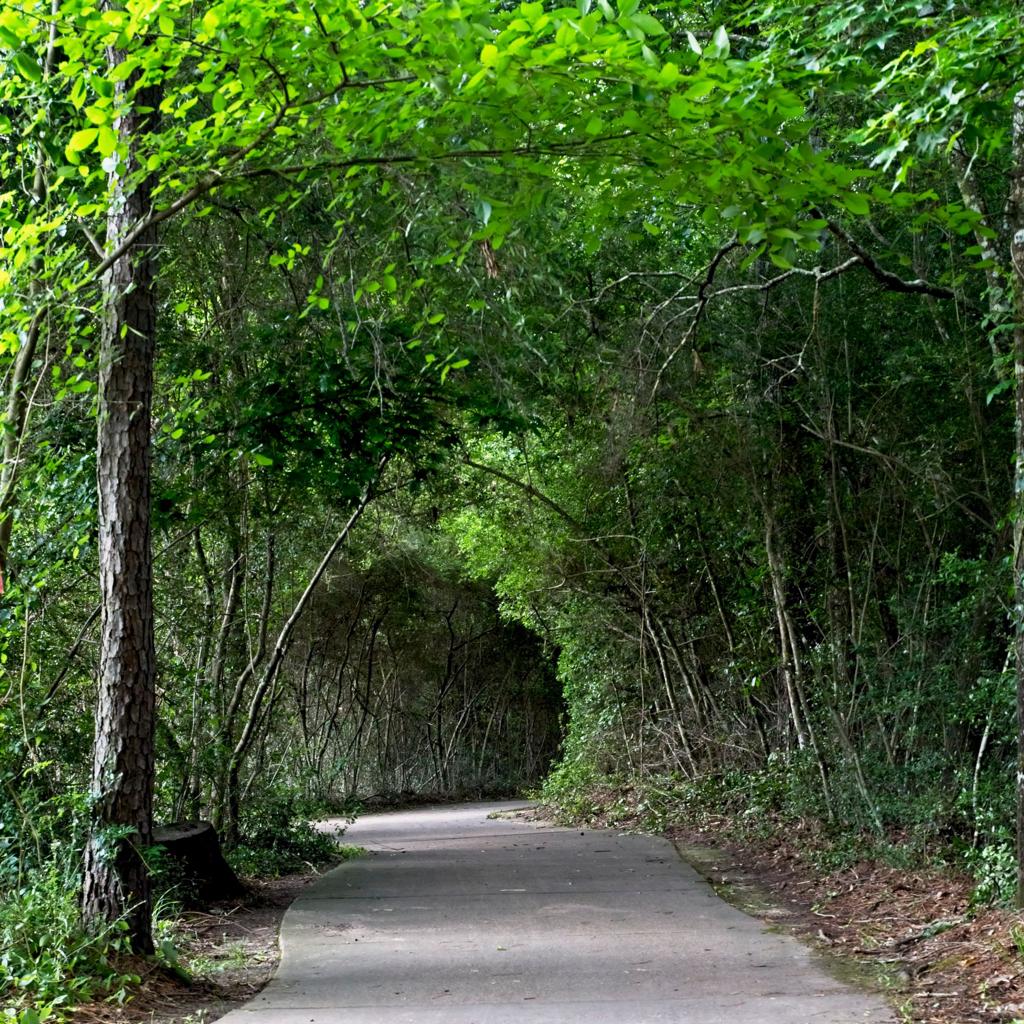
How Parks, Trails, and Villages Work Together to Create Everyday Walkability in The Woodlands (2026 Guide)
Walkability has become an important consideration for many homebuyers. People often think of walkability as simply having sidewalks, but in The Woodlands, it reflects a much broader planning philosophy.
From its earliest development, the community was designed to connect neighborhoods through an extensive network of parks, greenbelts, pathways, lakes, and village centers. Instead of treating these features as separate amenities, planners integrated them into a single system intended to support everyday life.
The result is a community where many residents regularly incorporate walking, cycling, and outdoor recreation into their routines.
A Connected Community Rather Than Isolated Neighborhoods
One of the defining characteristics of The Woodlands is how its villages connect to one another.
Rather than functioning as separate subdivisions, neighborhoods are linked through:
Multi-use pathways
Greenbelts
Parks
Lakes
Pedestrian bridges
Shared recreational spaces
This interconnected design encourages residents to explore areas beyond their own neighborhood while remaining within a natural setting.
Trails Designed for Daily Use
Many trail systems are intended primarily for recreation.
In The Woodlands, pathways often support everyday activities such as:
Morning exercise
Walking children to neighborhood parks
Cycling for recreation
Dog walking
Visiting nearby village amenities
Because the trail network is distributed throughout the community, residents can often begin a walk directly from their own neighborhood.
Parks Create Natural Destinations
Parks become more valuable when they are connected rather than isolated.
Throughout The Woodlands, parks provide places where residents can:
Relax outdoors
Meet friends
Exercise
Spend time with family
Enjoy community events
The surrounding trail system makes many of these destinations accessible without requiring a short drive.
Village Centers Add Everyday Convenience
Each village was planned with nearby services intended to support daily life.
Depending on the location, village centers may include:
Grocery stores
Restaurants
Coffee shops
Personal services
Community facilities
Having these destinations located within or near residential neighborhoods contributes to a lifestyle where many errands can be combined with a walk or bike ride.
Nature Remains Part of the Experience
One reason many residents enjoy walking in The Woodlands is the surrounding environment.
Instead of traveling beside busy roads for the entire route, many pathways pass through:
Forested greenbelts
Community lakes
Landscaped parks
Native vegetation
Preserved wooded corridors
These natural surroundings make outdoor activity feel like part of the community rather than an interruption from it.
Supporting Health and Well-Being
Walkable communities encourage regular physical activity by making it easier to spend time outdoors.
Residents often incorporate:
Walking meetings
Evening strolls
Weekend bike rides
Family outings
Daily exercise
into their weekly routines simply because attractive outdoor spaces are readily available.
Comparing Walkability During Your Home Search
When touring homes, spend time evaluating the surrounding neighborhood.
Questions worth considering include:
How close is the nearest trail?
Is there a nearby park?
Are sidewalks shaded?
How easily can you reach village amenities?
Would you realistically use these pathways?
The answers can help determine whether a particular location matches your lifestyle.
Planning That Continues to Add Value
One reason The Woodlands remains highly regarded decades after its initial development is that its planning principles continue to support modern lifestyles.
The combination of villages, parks, preserved forests, and connected pathways creates a community that encourages outdoor activity while maintaining convenient access to everyday services.
These features continue to attract buyers seeking more than simply a well-designed home.
Final Thoughts
Walkability in The Woodlands is the result of thoughtful long-term planning rather than chance. The integration of villages, parks, trails, greenbelts, and neighborhood services creates an environment where outdoor recreation and everyday convenience naturally work together.
For buyers exploring The Woodlands, experiencing these connections in person can provide valuable insight into why the community continues to stand out among master-planned developments throughout Texas.
Frequently Asked Questions
What makes walkability different in The Woodlands?
The community was planned with an interconnected network of villages, parks, trails, greenbelts, and neighborhood services rather than relying only on sidewalks.
Are the trails only for recreation?
No. While they are popular for walking and cycling, many residents also use them to access parks, village amenities, and nearby community destinations.
Do all villages have parks and trails?
Each village offers its own combination of parks, pathways, green spaces, and recreational amenities, although the specific features vary by location.
Why should buyers consider walkability?
Walkability can influence daily routines, outdoor recreation, convenience, and the overall lifestyle a neighborhood provides.
Is it helpful to explore the trails before buying a home?
Yes. Walking the nearby pathways and visiting local parks provides a better understanding of how the neighborhood functions beyond the home itself.