Buy the Upgrades Now—or Add Them Later? The Woodforest Decision That Can Change Your Budget
You tour two homes.
The first is newer.
Fresh finishes.
Clean.
Simple.
Very little you dislike.
The second is older.
But it already has:
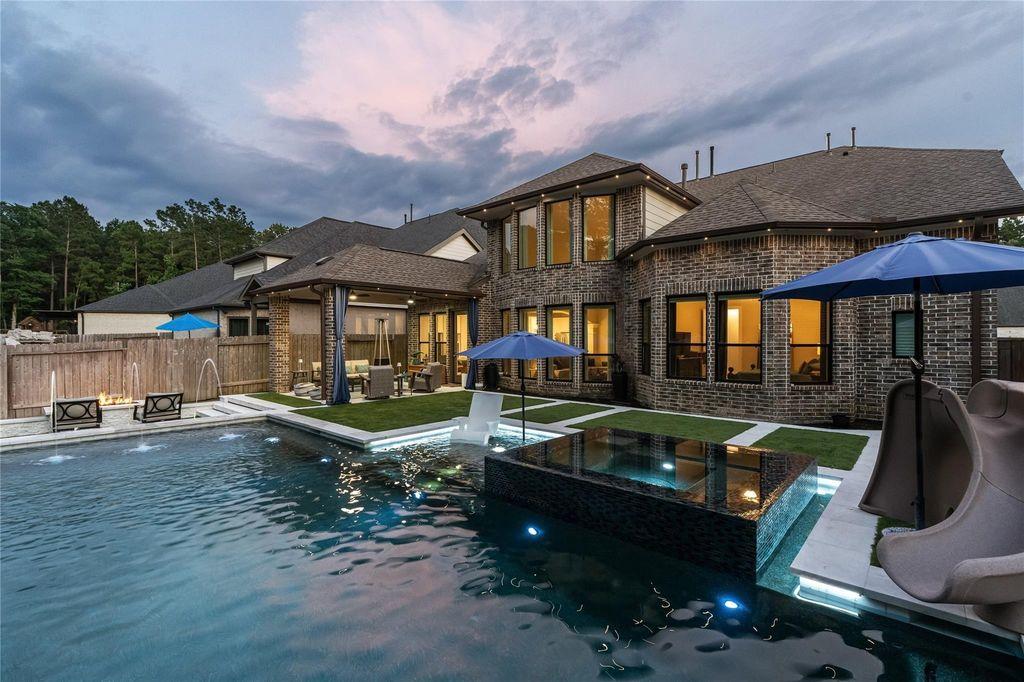
A pool.
Covered patio.
Outdoor kitchen.
Plantation shutters.
Custom storage.
Mature landscaping.
Maybe upgraded lighting and built-ins too.
The newer home costs less.
So it feels like the better deal.
Then you start adding up everything you’d want to install after closing.
And suddenly, the comparison changes.
That’s why buyers in Woodforest shouldn’t ask only:
“Which house costs less today?”
Ask:
“Which house costs less to become the home we actually want?”
Base Price and Finished Price Are Different Things
A home can be cheaper at closing and more expensive after you finish it.
Suppose Home A is $40,000 less.
But you know you want:
Pool.
Patio extension.
Window treatments.
Garage storage.
Landscape lighting.
Closet systems.
Now the $40,000 difference may not look very large.
The purchase price is only one part of the comparison.
Start With Your Must-Have Upgrade List
Before comparing homes, write down improvements you realistically expect to make.
Not fantasy projects.
Things you genuinely want.
For example:
Pool
Outdoor kitchen
Covered patio
Shutters or shades
Built-in storage
Landscaping
Closet systems
Lighting
Flooring
Now identify which home already includes them.
That gives you a more honest comparison.
Pools Can Change the Math Quickly
A pool is one of the easiest upgrades buyers casually move into the “later” category.
“We’ll just add one.”
Maybe.
But adding one later may involve:
Design.
Construction.
Permitting.
HOA approval where applicable.
Landscaping disruption.
Time.
And a significant budget.
If a pool is truly important to you, compare a home with one already completed against the realistic cost and effort of creating one later.
Finished Outdoor Living Has Value Beyond the Construction Cost
A covered patio or outdoor kitchen isn’t only materials.
It may also represent:
Design work.
Contractor coordination.
Utility connections.
Permits where required.
Landscaping adjustments.
Time.
The advantage of buying it already finished is convenience.
That matters to some buyers more than others.
Window Treatments Are Boring—Until You Price Them
Buyers rarely walk into a home and get excited about blinds.
Then they buy a newer house with lots of windows.
Suddenly, they realize every window needs something.
Shades.
Shutters.
Curtains.
Possibly motorized systems.
Depending on the size and style of the home, the total can become meaningful.
Completed window treatments may not feel glamorous, but they can reduce the post-closing to-do list.
Mature Landscaping Can Be Expensive in Time, Not Just Money
You can pay to install landscaping.
You cannot pay to make it twenty years old tomorrow.
Established trees and screening can create:
Shade.
Privacy.
Character.
A more finished feeling.
If the mature setting is part of what you want, compare it separately from the house.
Storage Improvements Are Easy to Underestimate
Custom closets.
Garage cabinets.
Mudroom built-ins.
Pantry shelving.
These rarely dominate listing photos.
But once you live in the home, they can make everyday life much easier.
If the newer property has basic storage and the resale has already been optimized, that difference can matter more than buyers initially expect.
Newer Still Has Real Advantages
Don’t swing too far the other way.
A newer home may offer:
More current systems.
Newer construction standards.
Modern layouts.
Less immediate cosmetic work.
Builder warranties where applicable.
Current finishes.
That may be worth more to you than completed extras.
This isn’t an argument for resale.
It’s an argument for complete comparison.
Ask Which Type of Work You Actually Want
Some buyers love projects.
They want to choose:
Pool design.
Landscaping.
Lighting.
Closet systems.
Outdoor kitchen.
They enjoy making a home their own.
For them, the simpler newer house may be perfect.
Others want to close Friday and enjoy the backyard Saturday.
Know which buyer you are.
The “We’ll Do It Later” List Has a Habit of Staying Later
This is one of the most common homeownership realities.
Before closing:
“We’ll add the patio next year.”
Then:
Furniture.
Travel.
Vehicle replacement.
Children’s activities.
Unexpected repairs.
Other priorities.
Three years later, the project still hasn’t happened.
That’s not necessarily bad.
But if a feature is truly important to your lifestyle, be realistic about whether you’ll actually complete it.
Time Has a Cost Too
Imagine two houses with similar total financial cost.
Home A
Lower purchase price.
Twelve months of projects.
Home B
Higher purchase price.
Already complete.
Which is better?
Depends on your tolerance for:
Contractors.
Decisions.
Scheduling.
Dust.
Delays.
Weekend projects.
Time should be part of the budget.
Don’t Pay for Upgrades You Don’t Want
The reverse problem matters too.
A resale may have:
Expensive pool.
Outdoor kitchen.
Custom wine room.
Premium theater.
If you won’t use them, don’t automatically assign them the same value the seller does.
Completed improvements only create meaningful value to you when they improve your life.
Separate “Nice” From “Would Have Paid For”
During a showing, buyers say:
“This is really nice.”
That doesn’t mean:
“I would have spent $30,000 to create this.”
For each major improvement, ask:
Would we have added this ourselves?
If yes, it has stronger value to you.
If no, treat it as a bonus—not a reason to stretch the budget.
Renovation Quality Still Matters
Existing upgrades aren’t automatically good upgrades.
Look at:
Workmanship.
Condition.
Age.
Design.
Maintenance.
Documentation where available.
A pool that needs major work is not the same advantage as a well-maintained one.
A poorly installed built-in isn’t automatically an asset because it was expensive.
Evaluate quality, not just presence.
Ask When the Improvements Were Completed
This matters.
A “recently updated” outdoor kitchen may be two years old.
A pool may be fifteen.
Shutters may be newer.
Roof may be older.
Don’t group every improvement into one mental category.
Understand the timeline.
Also Ask What Hasn’t Been Updated
A resale can look beautifully finished while still having older:
HVAC.
Roof.
Water heaters.
Pool equipment.
Windows.
Other major systems.
Again, compare the complete property.
The backyard may be finished.
The mechanical systems may still deserve attention.
Build a Three-Column Comparison
For your final contenders, make three columns:
Already Done
Pool
Patio
Shutters
Storage
Landscaping
Need Soon
Items you’d likely address quickly.
Want Later
Optional improvements.
Do this for both homes.
Now the true difference becomes easier to see.
Add Realistic Costs Where Possible
Don’t guess wildly.
For major improvements that materially affect your decision, obtain realistic estimates or ranges from appropriate local professionals.
The goal isn’t perfect prediction.
It’s preventing this:
“We thought that would cost $15,000.”
Then discovering the project is far more significant.
Financing Can Affect the Decision Too
A higher purchase price and a later cash-funded improvement are not financially identical.
Your lender and financial professionals can help you understand how purchase price, down payment, financing, reserves, and post-closing projects affect your situation.
Don’t compare only sticker prices.
Compare how each option fits your financial plan.
Leave Room for the Unexpected
Even if you buy the “finished” home, something will eventually need attention.
Even if you buy new, something may still come up.
Don’t use every available dollar on the purchase plus your upgrade list.
Homeownership works better with breathing room.
The Best Deal May Be the Home That Needs Less From You
This is one definition of value buyers sometimes overlook.
A home may cost more but ask for:
Less money after closing.
Less time.
Fewer contractors.
Fewer decisions.
Less disruption.
For a busy household, that can be incredibly valuable.
Or the Best Deal May Be the Blank Slate
For another buyer, the opposite is true.
They don’t want the seller’s pool design.
They don’t like the landscaping.
They want their own finishes.
Now paying a premium for someone else’s improvements makes less sense.
A simpler home gives them control.
Again, know yourself.
Use the “Would We Build It?” Test
Walk through the upgraded home.
For every major feature, ask:
“If this house didn’t have this, would we spend our own money to add it?”
Pool?
Yes.
Outdoor kitchen?
Maybe.
Theater?
No.
Custom closet?
Absolutely.
Suddenly, you know which upgrades actually matter to your household.
Final Thoughts
Buying a Woodforest home isn’t simply about deciding between:
Newer.
Older.
Updated.
Not updated.
The smarter comparison is:
What are we buying now, and what will we still need to create later?
One home may offer a lower purchase price and a longer project list.
Another may cost more but arrive with:
The pool.
The patio.
The landscaping.
The window treatments.
The storage.
The lifestyle already finished.
Neither is automatically better.
The right answer depends on:
What you actually want.
What you’re willing to build.
What you’re willing to spend.
And how much of your first few years in the home you want to spend improving it.
So when comparing two Woodforest homes, don’t stop at:
“Which one costs less?”
Ask:
“Which one gets us closest to the home we actually want to own?”
That’s often the more important number.
Frequently Asked Questions
Is an upgraded Woodforest resale always a better value than a newer home?
No. The answer depends on the specific upgrades, condition, systems, price, lot, location, and whether the improvements are ones you actually value.
Should I estimate future upgrade costs before buying?
If a planned improvement materially affects your decision, realistic cost information can help you compare properties more accurately.
Is an existing pool automatically an advantage?
Only if you want a pool and the pool’s condition and ownership responsibilities fit your lifestyle and budget.
Are mature landscaping and completed outdoor spaces worth paying more for?
They may be valuable to buyers who prioritize privacy, shade, finished outdoor living, and avoiding future projects. Their value is buyer-specific.
Should I buy a cheaper home and upgrade it later?
That can make sense if you enjoy projects, have appropriate budget and reserves, and prefer choosing the improvements yourself.
What's the biggest takeaway?
Compare the finished-home cost, not just the purchase price. A lower-priced house may require significantly more time and money to become the Woodforest home you actually want.