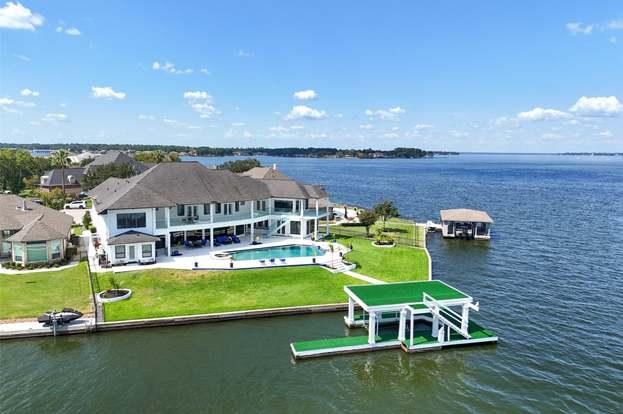
“How Much Work Is This?” The Question Waterfront Buyers May Be Thinking but Not Asking
The buyers walk onto the dock.
They stop.
Look across Lake Conroe.
Smile.
For a moment, everything is perfect.
Then someone looks down at the dock.
A few seconds later, they glance toward the shoreline.
Then the landscaping.
Then back toward the house.
The questions have started.
Maybe they don't say them aloud.
But they're thinking:
“How much work does owning all of this actually require?”
That's the other side of selling waterfront property.
The lake creates excitement.
Ownership creates questions.
Strong sellers prepare for both.
Some Waterfront Buyers Are First-Timers
This is important to remember.
You may have lived on Lake Conroe for fifteen years.
Dock maintenance feels normal.
You've learned the rhythms of the property.
You know who services what.
A relocating buyer may know none of that.
They could be purchasing their first waterfront property.
What feels routine to you may feel intimidating to them.
Buyers Aren't Necessarily Afraid of Maintenance
Often, they're afraid of unknown maintenance.
There's a difference.
A buyer may be perfectly comfortable knowing:
“This needs routine service.”
What creates anxiety is:
“We have absolutely no idea what we're taking on.”
Information can reduce that uncertainty.
Start With the Dock
If your property has a dock, buyers are going to look at it.
They may ask about:
Age.
Repairs.
Electrical components.
Boat-related equipment.
Roofing or covered areas.
General maintenance.
You don't need to be a dock inspector.
And you shouldn't make unsupported claims about condition.
But having available records for significant work can help answer reasonable questions.
The Shoreline Deserves Attention Too
Waterfront buyers may examine how the property meets the water.
Depending on the property, that could involve shoreline improvements or other structures.
If work has been completed, gather documentation you have.
Buyers may want to understand:
What was done?
When?
By whom?
Whether approvals or permits were required and obtained?
Property-specific conditions should be evaluated by appropriate professionals rather than assumed from appearances.
Don't Wait Until the Buyer Finds the Receipt
Sellers sometimes have useful documentation scattered everywhere.
An invoice in an email.
A warranty in a drawer.
A contractor's receipt in the garage.
A service record in a filing cabinet.
Before listing, start collecting relevant documents.
Not because every buyer needs every piece of paper.
Because when an important question arises, organized information is much easier to provide.
Pools Add Another Layer
A Lake Conroe home with a pool can offer an incredible combination:
Lake in the background.
Pool in the foreground.
Covered patio between them.
For many buyers, that's the dream.
But they'll also evaluate:
Pool condition.
Equipment.
Surface.
Decking.
Visible maintenance.
Again, the goal isn't to promise perfection.
It's to avoid letting obvious neglect distract from the experience.
Landscaping Can Look Beautiful and Expensive at the Same Time
Mature waterfront landscaping can make a property feel exceptional.
But overgrown landscaping can make buyers see a weekend project.
Before listing:
Trim where appropriate.
Remove dead vegetation.
Refresh obvious problem areas.
Clean beds.
Address visible irrigation issues.
The goal is for buyers to think:
“Beautiful.”
before they think:
“Maintenance.”
Outdoor Materials Get More Attention on Waterfront Properties
Buyers may inspect:
Decking.
Railings.
Exterior stairs.
Fencing.
Patios.
Outdoor kitchens.
Dock surfaces.
Why?
Because the outdoor environment is such a major part of the property's appeal.
If outdoor living is central to your marketing, those spaces need to look cared for.
A Small Problem Can Become a Big Question
Imagine a buyer sees one loose board on the dock.
To you:
Ten-minute repair.
To the buyer:
“Does this whole dock need work?”
That's buyer psychology.
Visible deferred maintenance can create questions much larger than the actual issue.
Addressing minor obvious items before listing can sometimes prevent unnecessary uncertainty.
But Don't Hide Problems
There's an important difference between maintenance and concealment.
Sellers should never attempt to disguise known defects.
Disclosure requirements and property-specific obligations should be handled appropriately.
If there's a genuine issue, the strategy should involve accurate disclosure and professional guidance—not cosmetic camouflage.
Trust matters.
Create a Waterfront Ownership File
For a waterfront property, consider organizing available records relating to major components such as:
Dock work
Shoreline-related improvements
Pool servicing
Exterior work
Landscaping improvements
Irrigation
Major mechanical systems
Relevant warranties
Permits or approvals you possess
This doesn't guarantee buyers won't have questions.
It makes answering them easier.
Service Contacts Can Be Useful
You've probably learned something buyers haven't.
Who services the pool?
Who has worked on the dock?
Who handles landscaping?
Who understands certain property systems?
While buyers should choose their own providers and conduct their own due diligence, having historical service information available may help them understand how the property has been maintained.
Don't Tell Buyers Waterfront Living Is “Maintenance-Free”
It isn't.
Neither is owning any home.
Waterfront property simply has different considerations.
Trying to minimize everything can actually reduce trust.
A more credible message is:
“Here's how we've cared for the property.”
That's useful.
Show the Reward Alongside the Responsibility
Maintenance conversations shouldn't make waterfront ownership sound like a chore.
There's a reason people choose it.
The dock requires care.
But the dock is also where you drink coffee at sunrise.
The landscaping requires maintenance.
But it creates the setting around your outdoor living spaces.
The pool needs service.
But it's where summer afternoons happen.
Buyers aren't expecting zero responsibility.
They're deciding whether the experience is worth it.
For the right buyer, it absolutely can be.
First-Time Waterfront Buyers Need Education, Not Pressure
If buyers have never owned waterfront property, questions are a good thing.
They mean they're taking the purchase seriously.
Give them room to investigate.
Encourage appropriate inspections and due diligence.
Provide factual information when available.
Confidence built through transparency is much stronger than confidence built through sales pressure.
The Showing Should Feel Effortless Even If Ownership Isn't
Before buyers arrive:
Sweep the dock.
Straighten outdoor furniture.
Clean the pool.
Remove equipment clutter.
Organize hoses.
Clear unnecessary items.
Make the outdoor environment feel calm.
Buyers know homes require work.
They just don't need to be reminded of every chore during the first ten minutes.
Final Thoughts
The lake gets buyers emotionally interested.
Information helps them become comfortable enough to move forward.
That's the balance Lake Conroe sellers should understand.
Show them the sunset.
Let them stand on the dock.
Give them time to imagine the boat rides and quiet mornings.
But when the practical questions begin, be ready.
Because a serious waterfront buyer eventually moves from:
“Can you imagine living here?”
to:
“What would owning this actually involve?”
When your property looks cared for, your records are organized, and your answers are transparent, that second question becomes much less intimidating.
And that's when buyers can stop worrying about the work...
and start deciding whether the life on the other side of it is exactly what they've been looking for.
Frequently Asked Questions
Are waterfront homes more complicated to maintain?
They can involve additional components such as docks, shoreline improvements, and other outdoor features. The specific maintenance needs vary significantly by property.
Should sellers have their dock inspected before listing?
Whether a pre-listing inspection is appropriate depends on the property and circumstances. Sellers can discuss the advantages and potential implications with their real estate professional and appropriate qualified specialists.
What records should waterfront sellers gather?
Available records relating to significant dock, shoreline, pool, exterior, mechanical, and other property work can be useful when buyers ask questions.
Should I repair minor dock or outdoor issues before selling?
Visible maintenance items may affect buyer perception, but repairs should be handled appropriately. Significant or structural concerns should be evaluated by qualified professionals.
Can I tell buyers how much waterfront maintenance will cost them?
Use caution. Costs can change and depend on how buyers maintain the property. Historical information may provide context when appropriate, but future expenses shouldn't be guaranteed.
What's the biggest takeaway?
Waterfront buyers aren't necessarily looking for a property that requires no work. They're looking for enough information and confidence to understand the home they're buying—and to decide that the Lake Conroe lifestyle is worth it.