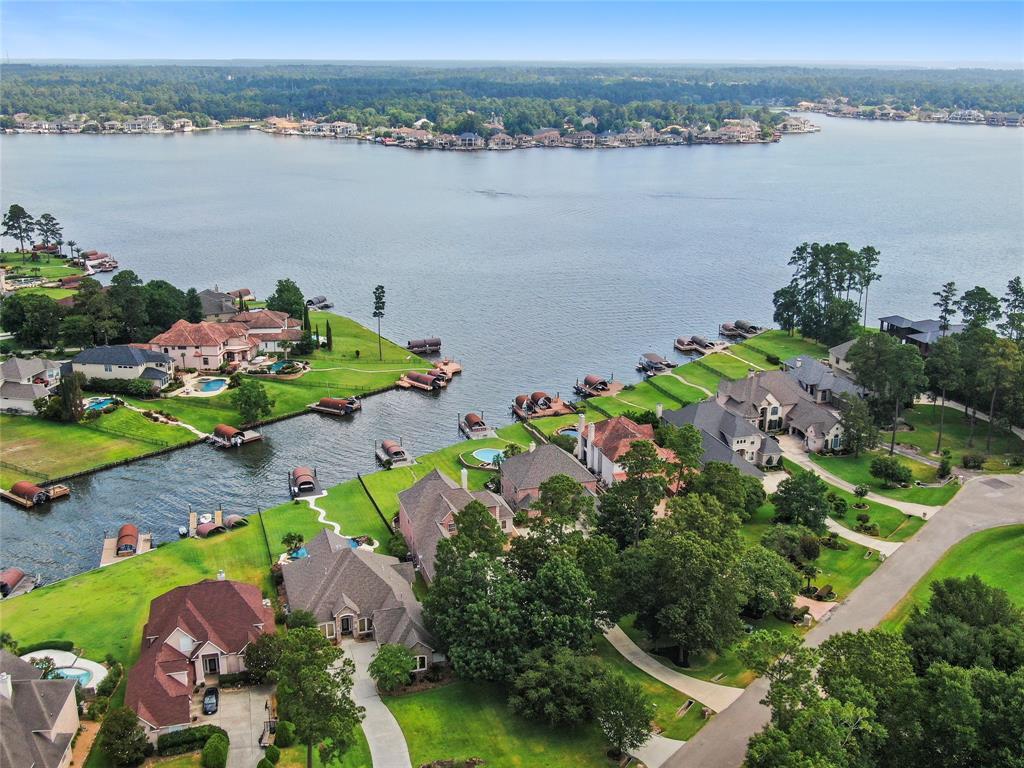
Waterfront Isn’t the Only Way to Live the Lake Conroe Lifestyle
Do You Really Need Direct Waterfront to Get the Lake Conroe Lifestyle You Want?
You start your search with one word:
Waterfront.
Not near the lake.
Not lake view.
Not lake access.
You want the water behind the house.
That makes sense.
Direct waterfront is one of the most appealing parts of buying around Lake Conroe.
But before turning it into a non-negotiable, ask one question:
What do you actually want the lake to do for your life?
Because that answer may confirm that direct waterfront is worth every penny.
Or it may reveal that a lake-view or nearby lake-access home could give you almost everything you want—while improving other parts of the purchase.
Start With the Lifestyle, Not the Label
Forget listings for a moment.
Imagine your ideal Saturday.
Do you want to:
Walk directly to your boat?
Fish from your dock?
Drink coffee overlooking the water?
Paddleboard from the backyard?
Entertain with the lake behind you?
If yes, direct waterfront may be central to the lifestyle.
But maybe your Saturday looks like:
Drive a few minutes to the marina.
Spend the day boating.
Come home to a larger yard.
Swim in your own pool.
Relax in a quieter backyard.
That is still a Lake Conroe lifestyle.
Direct Waterfront Gives You Immediate Relationship With the Lake
This is the obvious advantage.
Depending on the property, direct waterfront may provide:
Immediate water views.
Private dock or dock access.
Boat convenience.
Fishing.
Water recreation.
Sunsets.
A strong indoor-outdoor connection to the lake.
For buyers who use the water constantly, that immediacy can be difficult to replace.
But Waterfront Is More Than a View
You're also buying into a specific ownership environment.
Depending on the property, waterfront ownership may involve:
Dock.
Boat lift.
Bulkhead or shoreline.
Water-depth considerations.
Weather exposure.
Flood-related due diligence.
Additional exterior maintenance.
Insurance considerations.
That doesn't make waterfront less desirable.
It simply makes it a different type of property.
Lake-View Homes Can Be an Interesting Middle Ground
Some homes may provide attractive lake views without sitting directly on the water.
For buyers primarily interested in:
Scenery.
Sunsets.
Visual connection to the lake.
A lake atmosphere.
that can be worth exploring.
But verify what the view actually looks like from the home.
Don't Buy a “Lake View” From the Listing Photo
Wide-angle photography.
Drone shots.
Perfect zoom.
Elevated camera positions.
All can make water feel closer or more visible than it does in everyday life.
Stand in:
Kitchen.
Family room.
Primary bedroom.
Patio.
Ask:
Where do I actually see the lake from?
That is your real view.
A View Is Only Valuable If You Use It
Imagine the lake is visible only from an upstairs balcony.
Beautiful.
But you rarely use that room.
Now compare that with a smaller view visible from the kitchen and family room every day.
Which has more value?
Probably depends on your routine.
But the biggest view is not always the most useful view.
Nearby Lake Access Can Open Up Your Home Choices
Once direct waterfront stops being mandatory, you may find very different options.
Potentially:
Larger home.
Newer construction.
Bigger lot.
Pool.
More privacy.
Different neighborhood.
More garage space.
Lower purchase price.
That doesn't automatically make nearby lake access the better buy.
It simply expands the comparison.
Ask How Often You Actually Boat
This is a major decision point.
Every weekend?
Several times a week?
A few times a month?
Six times per year?
If boating is frequent, immediate access may have enormous value.
If boating is occasional, you may be paying heavily for a convenience you rarely use.
Convenience Changes Behavior
This is important.
If the boat is behind the house, you may use it more.
Wednesday evening.
One free hour.
Sunset cruise.
Easy.
If you must:
Drive.
Launch.
Park.
Retrieve.
Trailer home.
you may use it less often.
Convenience can become part of lifestyle value.
Marina Access Can Change the Equation
For some buyers, keeping a boat at a nearby marina may provide much of the boating convenience they want without owning direct waterfront.
Potential advantages may include:
Boat storage.
Services.
Fuel access.
Less need to trailer.
Different maintenance responsibilities.
But buyers should investigate:
Availability.
Fees.
Rules.
Boat-size limitations.
Distance from home.
Specific marina services.
Community Boat Ramps Work for Certain Buyers
If you don't mind trailering, a nearby boat ramp may provide enough access.
But think through the complete routine.
Hook up.
Drive.
Launch.
Park.
Boat.
Retrieve.
Return.
Clean.
If that sounds perfectly normal to you, direct waterfront may be less important.
If it already sounds exhausting, that tells you something too.
Waterfront Buyers Often Pay for Two Things at Once
The house.
And the water position.
That means your budget may create a trade.
For the same price, you might compare:
Property A
Direct waterfront.
Older interior.
Smaller home.
Smaller yard.
Property B
Not waterfront.
Newer interior.
Larger home.
Pool.
Bigger yard.
Which gives you more enjoyment?
The answer depends on how heavily you value immediate water access.
The Lake Doesn't Fix the House
This sounds obvious.
But buyers fall hard for waterfront.
Then they start forgiving:
Poor floor plan.
Insufficient storage.
Small garage.
Long commute.
Older systems.
Layout problems.
Budget stretch.
The lake can make a property special.
It cannot solve every problem inside the house.
Don't Sacrifice the Entire House for the View
Ask:
If this property were not waterfront, would we still like the house?
If the answer is:
“Not really,”
think carefully.
Maybe the waterfront still justifies the purchase.
But understand how much you're compromising for it.
The Opposite Can Be True Too
You find a fantastic non-waterfront home.
Better house.
Better lot.
Better price.
But every time you drive past the waterfront listings, you think:
“I really wanted the lake behind us.”
That matters too.
Don't talk yourself out of a lifestyle feature that is genuinely important to you just because another house looks better on paper.
Use the “No Boat” Test
Imagine you never buy a boat.
Would you still happily pay for direct waterfront?
If yes, you're probably buying:
View.
Atmosphere.
Privacy characteristics.
Outdoor setting.
That's useful to know.
If the answer is no, boating convenience may be the real reason waterfront matters.
Use the “No View” Test
Now imagine the non-waterfront home has everything else you want but very little visible connection to the lake.
Would living near Lake Conroe still feel worth it?
If yes, access may be enough.
If no, a lake-view or waterfront property probably deserves more weight.
Open Water and Cove Settings Can Feel Different
Even within direct waterfront, buyers can have different experiences.
Some may prefer:
Broad views.
Open-water feeling.
More visual drama.
Others may prefer:
More protected setting.
Quieter-feeling water.
Different boating environment.
Don't assume all waterfront is interchangeable.
A Smaller View Can Come With Better Protection
A more protected waterfront setting may provide a different balance of:
Water movement.
Wind.
Boat traffic.
Dock experience.
Outdoor comfort.
The dramatic open-water view is not automatically better for every buyer.
Privacy Can Be Different on the Water
A direct-waterfront property may have no traditional rear neighbor.
That sounds private.
But depending on the setting, you may still have:
Boat traffic.
People on nearby docks.
Waterfront activity.
Neighboring patios.
A trail or common area nearby.
Privacy should be evaluated from the actual property.
Lake-View Homes May Sometimes Feel More Private
A non-waterfront property may have:
More landscaping.
More separation.
Less direct water activity.
Again, the best choice depends on what you mean by privacy.
Maintenance Can Be Simpler Away From the Water
A nearby lake-access property may avoid some waterfront-specific ownership considerations.
Potentially less responsibility for:
Dock.
Lift.
Bulkhead.
Shoreline.
Waterfront weather exposure.
But every property still has its own maintenance profile.
Compare the actual homes.
Insurance Should Be Quoted for Each Property Type
Don't assume direct waterfront automatically means one particular insurance outcome.
And don't assume non-waterfront automatically means simple coverage.
Get property-specific guidance.
Understand:
Homeowners coverage.
Flood-related considerations.
Deductibles.
Waterfront structures where applicable.
Other relevant coverage.
Insurance belongs in the comparison.
Taxes May Differ Too
Two similarly priced Lake Conroe-area homes may have different tax obligations based on the specific property and taxing jurisdictions.
Don't compare purchase price alone.
Look at total ownership cost.
HOA Structure Can Change the Equation
A lake-access community may have amenities supported through an HOA.
That could include:
Marina.
Boat launch.
Common areas.
Pools.
Gates.
Other facilities.
Understand the current fees, rules, and what access is actually included.
“Lake Access” Needs a Definition
This term can mean many things.
Potentially:
Community boat ramp.
Marina.
Shared dock.
Private access area.
Nearby public access.
Something else.
Always ask:
What exactly do we get access to?
And:
What does it cost?
Access Can Have Rules
Verify:
Hours.
Guest rules.
Boat restrictions.
Parking.
Storage.
Membership.
Fees.
Other conditions.
The phrase lake access should never be the end of the conversation.
A Community Marina Can Be a Major Lifestyle Feature
For the right buyer, a marina inside or near the neighborhood may provide an excellent compromise.
You may get:
Convenient boat access.
Less private dock maintenance.
A different home for your budget.
But availability should be verified.
Don't buy assuming a slip will automatically be available.
Boat Storage Can Change Your Home Search
If your boat stays at a marina or storage facility, you may not need:
Large side yard.
Trailer space.
Oversized driveway.
Extra garage bay.
That can free you to prioritize other home characteristics.
The Bigger House Isn't Automatically Better
Suppose moving off the water gives you an additional 1,000 square feet.
Great.
Will you use it?
If not, you may be trading the lake view for rooms you barely need.
Again, value follows use.
The Bigger Yard May Be More Valuable Than Waterfront
For another buyer, absolutely.
They may want:
Pool.
Pets.
Children's play space.
Garden.
Outdoor kitchen.
Large gatherings.
A bigger private yard may produce more everyday enjoyment than direct waterfront.
Pool vs. Lake Is Not an Either-Or Decision
Some buyers ask:
“Why would I need a pool if I'm on the lake?”
Because they serve different purposes.
A private pool may offer:
Immediate swimming.
Entertaining.
Controlled environment.
Exercise.
Relaxation.
The lake provides:
Views.
Boating.
Fishing.
Different recreation.
Whether you want one, both, or neither is personal.
Waterfront Plus Pool Can Create a Strong Lifestyle—and More Systems
A property with both may be incredible.
It also means ownership may include:
Pool equipment.
Dock.
Lift.
Shoreline.
More exterior spaces.
More maintenance.
Make sure the budget matches the lifestyle.
The Monthly Difference Deserves Attention
Suppose the waterfront property costs substantially more.
Ask your lender for a realistic financing comparison.
Then add:
Taxes.
Insurance.
HOA where applicable.
Maintenance differences.
Now ask:
Would we happily pay that additional amount every month for the waterfront experience?
That's a useful question.
Turn the Difference Into Annual Lifestyle Cost
Imagine direct waterfront costs $1,000 more per month overall.
That's:
$12,000 per year.
The question isn't:
“Is waterfront worth $12,000?”
in the abstract.
It's:
“Would our household get enough daily and weekly value from direct waterfront that we'd gladly spend the difference?”
For some buyers, yes.
For others, no.
Don't Assume Waterfront Automatically Has the Best Resale
Waterfront can be highly desirable.
But resale still depends on:
Property condition.
Waterfront quality.
Dock.
View.
Location.
Price.
Market conditions.
Buyer demand.
Insurance considerations.
Other factors.
No single feature guarantees future performance.
Buy Waterfront Because You Want Waterfront
This is the simplest rule.
Not because:
Someone said it's always the best investment.
You think you should own it.
The listing photos are impressive.
You're afraid you'll regret not getting it.
Buy it because the everyday experience is something you genuinely value.
Nearby Lake Living Can Still Feel Very Much Like Lake Living
You can still:
Boat.
Fish.
Dine on the water.
Spend weekends outside.
Visit marinas.
Enjoy lake recreation.
Live in a community shaped by the lake.
Your property line does not have to touch the water for the lake to become part of your life.
Full-Time Residents May Value the View More
If this is your primary residence, you may see the lake:
Every morning.
During work.
At dinner.
Before bed.
Now direct or visible water can provide value even on days when you never get in a boat.
For some buyers, that changes the financial equation.
Weekend Buyers May Value Immediate Access More
A second-home buyer may arrive specifically to:
Boat.
Fish.
Swim.
Entertain.
Now getting from the house to the water quickly may be the entire point.
Again, same lake.
Different buyer.
Use the “Wednesday Evening” Test
You finish work.
Weather is beautiful.
One hour before sunset.
If the boat is behind the house, would you use it?
If the marina is five minutes away, would you still go?
If the answer changes dramatically, convenience matters.
Use the “January Morning” Test
No boating.
Cool weather.
Coffee.
Would you still value the waterfront view?
If yes, you're buying more than recreation.
Use the “Ten Guests” Test
Imagine people visiting.
Which property works better?
Direct waterfront but smaller patio?
Non-waterfront with huge pool and outdoor kitchen?
The answer reveals what entertaining means to you.
Use the “Five-Year Regret” Test
Imagine you buy the non-waterfront home.
Five years later, do you think:
“I'm glad we chose the better house.”
Or:
“I still wish we had bought on the water.”
Now reverse it.
You buy waterfront.
Do you think:
“This view was worth every compromise.”
Or:
“We gave up too much house for this.”
Your likely regret can reveal your true priority.
Create a Lake-Conroe Property-Type Scorecard
For serious contenders, rate:
Water View
How important is daily visual connection to the lake?
Boat Convenience
How often will immediate access matter?
Home
Does the actual house meet your needs?
Lot
Do you prefer waterfront setting or more private/usable land?
Maintenance
Are you comfortable with waterfront-specific responsibilities?
Insurance
How do property-specific quotes compare?
Taxes and HOA
What are the actual recurring costs?
Recreation
How easily can you do the lake activities you care about?
Everyday Convenience
Does the property work for groceries, commute, healthcare, and routine?
Financial Comfort
Does the premium leave enough flexibility for the rest of your lifestyle?
Now compare.
The direct-waterfront property may win.
Or it may not.
That's the point.
Final Thoughts
Direct waterfront can be extraordinary.
Morning coffee by the lake.
Boat behind the house.
Fishing from the dock.
Sunsets.
Views from the kitchen.
That experience can absolutely justify a premium for the right buyer.
But it is not the only way to live a Lake Conroe lifestyle.
A lake-view home may give you the scenery without the same waterfront responsibilities.
A nearby lake-access property may give you boating and recreation while allowing more budget for:
House.
Lot.
Pool.
Privacy.
Other priorities.
So before making waterfront a permanent search filter, ask:
“What exactly do we want the lake to add to our life?”
A view?
Immediate boat access?
Recreation?
Atmosphere?
Weekend convenience?
Once you know that, you can stop paying for labels and start paying for the lake experience you actually want.
Frequently Asked Questions
Is direct waterfront always better than a lake-view or lake-access home on Lake Conroe?
No. The better choice depends on how much you value immediate water access, views, boating convenience, maintenance responsibilities, home characteristics, and total ownership cost.
What is the difference between lake view and lake access?
A lake-view property may provide views without direct water access. Lake access can refer to various arrangements such as a community boat ramp, marina, shared dock, or nearby access point. Buyers should verify the specific property.
Should boat owners prioritize waterfront?
Frequent boaters may place significant value on immediate access, but marina or nearby launch options may also work depending on boating habits and preferences.
Is a waterfront home more expensive to maintain?
It can involve additional property-specific responsibilities such as dock, lift, bulkhead, shoreline, or greater outdoor exposure. Actual maintenance varies by property.
Should I get separate insurance quotes for waterfront and non-waterfront homes?
Yes. Property-specific insurance information can help buyers compare premiums, deductibles, flood-related considerations, and coverage for structures such as docks where applicable.
Does a lake-view home guarantee the view will remain unchanged?
No. Buyers should investigate the specific property's surroundings and available information about neighboring land or development when the view is an important purchase factor.
Can a non-waterfront home still offer a strong Lake Conroe lifestyle?
Absolutely. Buyers may still enjoy boating, fishing, marinas, waterfront dining, parks, and other lake recreation without owning direct waterfront.
What's the biggest takeaway?
Don't automatically buy the closest property to the water. Buy the Lake Conroe home that gives you the right balance of view, access, house, lot, maintenance, cost, and everyday lifestyle.