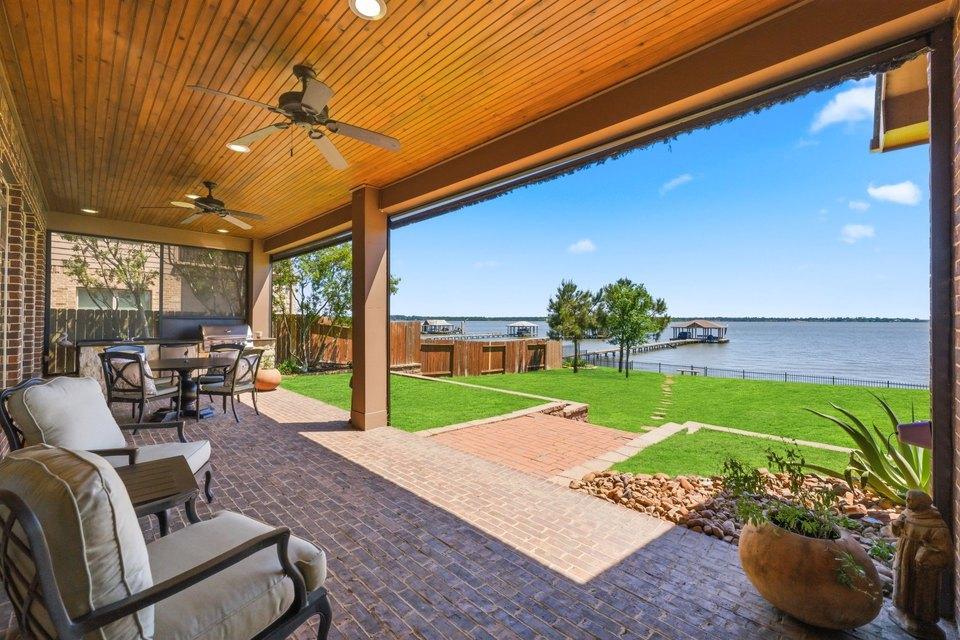
Weekend Escape or Everyday Home? Know Which One You’re Buying.
Should Your Lake Conroe Home Be a Weekend Escape or an Everyday Residence?
Friday afternoon.
You arrive at the house.
Drop the bags.
Open the back door.
There’s the lake.
You change clothes, pour a drink, and walk outside.
The boat is waiting.
The weather is perfect.
Friends are coming tomorrow.
Everything about the property feels exactly right.
Now imagine the same house at 6:15 Tuesday morning.
You’re getting ready for work.
Someone needs groceries.
The internet has to support two video calls.
A package is coming.
The laundry room is full.
You need to leave for an appointment.
The boat isn't part of the day at all.
Suddenly, you're judging a very different home.
That is why Lake Conroe buyers should decide early whether they are shopping for:
a weekend escape, a full-time residence, or a property that genuinely needs to do both.
Those homes can look similar in photographs.
Living in them can feel completely different.
Start With the Life the Property Needs to Support
Don't begin with bedrooms.
Begin with routine.
Will you live there:
Every day?
Every weekend?
Twice a month?
Seasonally?
Now think about what the property must accomplish.
A full-time residence may need to handle:
Work.
Storage.
Groceries.
Commute.
Laundry.
Appointments.
Everyday cooking.
Packages.
Long-term maintenance.
A weekend home may prioritize:
Easy arrival.
Lake access.
Outdoor living.
Guests.
Low-maintenance ownership.
Recreational storage.
Those are different buying criteria.
Weekend Homes Can Get Away With Things Primary Homes Cannot
A smaller pantry might not matter when you're bringing food for two days.
Limited closet space may be fine when you keep only weekend clothes there.
A longer drive to a grocery store may feel manageable.
An unusual floor plan may feel charming.
But use the same house every day?
Those little compromises may become much more noticeable.
Full-Time Buyers Should Start With Monday Morning
This is one of the best reality checks.
Imagine your normal weekday.
What time do you wake up?
Where do you need to go?
How long does it take?
Who else needs to leave?
What happens if traffic is heavier?
Where do you stop on the way home?
The lake home still needs to function when the lake isn't the day's main event.
Your Commute Becomes Part of the Property
Lake views can make buyers very generous with commute times.
During a showing:
“I wouldn't mind driving farther for this.”
Maybe you genuinely won't.
But test it.
Drive the route from the actual property during realistic travel times when practical.
A fifteen-minute difference may not sound dramatic until you're doing it:
Morning.
Evening.
Several days each week.
Over years.
Weekend Buyers Need a Different Drive Test
If the property is primarily a second home, your commute question may be:
“How easy is it to get here Friday afternoon?”
Not:
“How easy is it to get downtown Monday morning?”
Think about:
Your primary residence.
Friday traffic.
Holiday weekends.
Guest travel.
Arrival after dark.
If getting to the house regularly feels like an ordeal, you may use it less than you imagined.
Frequency Changes the Value of Location
Suppose Property A adds thirty minutes to your drive.
If you live there full time, that may affect you constantly.
If you visit twice a month, it may matter much less.
This is why location should be evaluated based on frequency—not just distance.
Everyday Convenience Matters More for Full-Time Residents
Full-time life involves:
Grocery stores.
Pharmacies.
Healthcare.
Gyms.
Coffee.
Restaurants.
Home-improvement stores.
Pet care.
Services.
Those aren't exciting parts of buying a lake home.
They are important parts of living in one.
Waterfront Dining Isn't the Same as Everyday Convenience
Lake Conroe has recreational and dining destinations that may be part of the lifestyle you want.
Great.
But you still need to know:
Where will we buy toothpaste?
Where is the nearest pharmacy?
Where do we get groceries on a Tuesday?
How far is our preferred gym?
Daily convenience and lake lifestyle should be evaluated separately.
Run a Grocery Trip Before You Buy
This sounds boring.
That's exactly why it works.
Leave the property.
Go to the grocery store you'd realistically use.
Time it.
Notice the route.
Come back.
Ask:
Would this feel easy on an ordinary weekday?
That tells you more about full-time livability than another sunset photo.
Weekend Buyers Should Test the Friday Arrival
Pretend it's the end of a long workweek.
Traffic.
Groceries.
Cooler.
Luggage.
Maybe children.
Maybe a boat trailer.
You arrive at the property.
How easy is:
Parking?
Unloading?
Getting inside?
Storing equipment?
Beginning the weekend?
A good second home should make arrival feel easier—not like starting another job.
Storage Needs Are Completely Different
A weekend property might need space for:
Life jackets.
Fishing gear.
Towels.
Coolers.
Boat equipment.
A few clothes.
A full-time home needs room for:
Everything.
Holiday decorations.
Documents.
Tools.
Luggage.
Seasonal clothing.
Bulk groceries.
Cleaning supplies.
Sports gear.
Home office supplies.
The same house may feel spacious as a weekend home and cramped as a primary residence.
Don't Let the Lake Become Your Storage Plan
Buyers sometimes mentally solve every storage problem with:
“We'll put it in the garage.”
Then the garage contains:
Boat equipment.
Bikes.
Coolers.
Fishing gear.
Tools.
Holiday decorations.
Outdoor cushions.
Now vehicles don't fit.
If storage matters, look carefully at where things will actually go.
The Garage Can Become More Important Than the Game Room
For Lake Conroe buyers, garage space may support:
Cars.
Trucks.
Water gear.
Tools.
Workshop.
Freezer.
Boat supplies.
Golf cart where applicable and permitted.
Recreational equipment.
A flashy game room may get your attention.
The garage may solve more everyday problems.
Weekend Homes Need Storage That Lets You Leave Things Behind
The ideal second home reduces packing.
You don't want to bring:
Towels.
Life jackets.
Coolers.
Fishing equipment.
Outdoor supplies.
every single weekend.
If the property gives those items a permanent place, the home becomes much easier to use.
Internet Can Make or Break Full-Time Living
If you work remotely, don't assume.
Investigate service options for the specific property.
Consider:
Available providers.
Connection type.
Expected speeds.
Reliability.
Backup options if internet is mission-critical.
A beautiful waterfront office is still a bad office if your connection cannot support your work.
Full-Time Remote Workers Need a Real Office
A weekend property may need only a desk.
A primary home may need:
Door.
Privacy.
Natural light.
Quiet.
Reliable connectivity.
Enough space for equipment.
If two people work from home, one shared office may not be enough.
Tour accordingly.
Weekend Buyers Need Connectivity Too
You may think:
“It's a lake house. We want to disconnect.”
Maybe.
But you may still need:
Streaming.
Security systems.
Smart thermostats.
Remote monitoring.
Occasional work.
Guest Wi-Fi.
Internet matters even when work doesn't.
Maintenance Feels Different When You’re There Every Day
A full-time resident may notice problems quickly.
Leak.
HVAC issue.
Irrigation problem.
Storm damage.
Pool issue.
A second home may sit unattended for days or weeks.
That changes the ownership conversation.
Second Homes Need a Monitoring Plan
Ask:
Who notices if something goes wrong?
Possible considerations may include:
Security cameras.
Smart thermostats.
Leak sensors.
Remote locks.
Pool monitoring.
Local service providers.
Trusted neighbors.
Property checks.
Technology can help, but it doesn't replace proper maintenance.
Pools Are Different When You’re Not There
A pool looks like the ultimate weekend feature.
But if the property is vacant during the week, who maintains it?
Will you use a service?
Handle it yourself?
What happens after storms?
Who monitors equipment problems?
Second-home ownership often becomes easier when routine services are planned in advance.
The Same Goes for Landscaping
If you're not at the property every week, consider:
Lawn care.
Irrigation.
Trees.
Outdoor furniture.
Storm debris.
Dock.
Landscaping.
You may want more professional support than you would at a primary residence.
Low-Maintenance Can Be More Valuable Than Maximum Size
A giant lake property sounds appealing.
More bedrooms.
More yard.
More entertaining space.
But a second home also means another:
Roof.
HVAC system.
Landscape.
Interior.
Pool.
Dock.
Set of appliances.
Everything needs care.
For some buyers, a smaller, highly functional property produces a much easier weekend lifestyle.
Bigger May Make More Sense for Full-Time Living
If you will live there permanently, you may need:
Office.
Storage.
Larger pantry.
More garage space.
Guest room.
Utility room.
Multiple living areas.
Don't choose a charming weekend floor plan and assume you'll make it work as a full-time family home.
Guest Rooms Need an Honest Use Test
Lake houses attract visitors.
That's real.
But how often?
Every weekend?
Six times a year?
Twice?
If guests are frequent, dedicated space may be worthwhile.
If not, flexible spaces may be enough.
Don't buy three extra bedrooms solely for the version of your life where twenty people visit constantly.
Flexible Guest Space Can Work Better
Depending on the home, you might use:
Game room.
Bunk area.
Office with sleeper sofa.
Bonus room.
Secondary bedroom.
Flexibility can help a home entertain without requiring enormous square footage year-round.
Outdoor Living May Matter More Than an Extra Interior Room
For many Lake Conroe buyers, the most valuable space may be outside.
Covered patio.
Pool.
Outdoor kitchen.
Dock.
Seating area.
Lake view.
If your entertaining happens outdoors, another interior bedroom may matter less than a great patio.
Covered Outdoor Space Is Especially Important
Look at:
Depth.
Shade.
Fans.
Orientation.
Connection to the kitchen.
Weather protection.
A covered patio can dramatically improve how often you use the backyard.
The outdoor area should work even when the weather isn't perfect.
The Kitchen-to-Patio Route Matters
Imagine hosting.
Someone needs:
Ice.
Food.
Plates.
Drinks.
Napkins.
How many times will people travel between kitchen and patio?
If the route is awkward, outdoor entertaining becomes less effortless than the photos suggest.
Good lake-house design usually makes indoor-outdoor movement easy.
Full-Time Buyers Should Imagine January
Not just July.
It's cold.
Rainy.
No boating today.
You're inside.
Do you still love:
The floor plan?
Kitchen?
Neighborhood?
Storage?
Location?
Views?
Office?
A primary residence needs to work when the lake is not the activity of the day.
Weekend Buyers Should Imagine a Rainy Saturday
Same idea.
You drove out.
Now it's raining all day.
Everyone is inside.
Is there enough comfortable interior space?
Game room?
Covered patio?
Movie space?
Room for guests?
The best weekend home is still enjoyable when the weather refuses to cooperate.
The “Both” Buyer Needs the Most Flexibility
Maybe your plan is:
Weekend home now.
Full-time residence later.
That means the property has to pass two different tests.
Does it work as a low-stress second home today?
Could it realistically function as your primary residence later?
Think about:
Office.
Storage.
Healthcare access.
Daily errands.
Stairs.
Maintenance.
Commute.
Internet.
Long-term accessibility.
Future Retirement Plans Deserve Extra Thought
If you're buying with the intention of eventually retiring there, consider how the home might feel years later.
Potentially relevant features may include:
Primary bedroom on the main level.
Minimal essential stairs.
Easy driveway access.
Low-maintenance yard.
Nearby healthcare.
Storage.
Comfortable everyday living spaces.
You don't need to predict every future need.
But long-term fit should be part of the decision.
Waterfront Features Can Create Extra Maintenance
Depending on the property, waterfront ownership may include:
Dock.
Lift.
Shoreline.
Bulkhead.
Outdoor structures.
Weather exposure.
These features may be completely worth it.
But a weekend home with multiple waterfront systems may require more ongoing oversight than a nearby non-waterfront property.
Ask Whether Waterfront Is Essential
If you primarily want:
Weekend boating.
Waterfront restaurants.
Fishing.
Lake recreation.
you may not necessarily need the lake in your backyard.
A home with convenient access may provide much of the lifestyle with different ownership responsibilities.
If you want:
Daily views.
Boat behind the house.
Morning coffee on the dock.
then direct waterfront may be central to the decision.
Full-Time Waterfront Value Can Be Completely Different
If you live there every day, the lake becomes part of:
Breakfast.
Work-from-home view.
Evening routine.
Ordinary Tuesdays.
Now the waterfront isn't simply recreational.
It is part of the everyday environment.
That can make paying for direct waterfront more meaningful.
Weekend Buyers Should Calculate Cost Per Use
This is not a formal investment calculation.
It's a reality check.
How often will you actually visit?
Every weekend?
Twice per month?
Summer only?
If the property sits empty most of the year, compare the ownership cost with how much use and enjoyment you realistically expect.
That doesn't mean a second home must be financially “efficient.”
Lifestyle purchases aren't purely mathematical.
But frequency should be understood.
Don't Build the Purchase Around Rental Income Without Verifying
Some buyers think:
“We'll rent it when we're not using it.”
Before relying on that idea, investigate:
HOA rules.
Deed restrictions.
Applicable regulations.
Insurance.
Lender requirements where relevant.
Tax considerations with appropriate professionals.
Management costs.
Potential rental income should not be treated as guaranteed.
Full-Time Buyers Should Protect Their Lifestyle Budget Too
A lakefront primary residence may involve:
Higher purchase price.
Pool.
Boat.
Dock.
Landscaping.
Maintenance.
Insurance.
These are lifestyle expenses.
Make sure the entire package leaves enough financial breathing room to actually enjoy the lake.
The Boat Has Its Own Budget
If boating is part of the dream, include:
Boat payment if applicable.
Fuel.
Insurance.
Maintenance.
Registration.
Dock or marina costs.
Lift.
Storage.
Repairs.
Don't use the home budget while pretending the boat is free.
The two lifestyles are connected.
Weekend Homes Can Become Expensive When Everything Is Duplicated
Second-home ownership may eventually mean buying duplicates of:
Furniture.
Kitchen items.
Towels.
Linens.
Cleaning supplies.
Tools.
Outdoor gear.
Electronics.
The purchase price isn't the only setup expense.
Furnishing a Lake House Can Sneak Up on You
The house is bigger than expected.
Now you need:
Beds.
Sofas.
Outdoor furniture.
Dining table.
Patio pieces.
TVs.
Rugs.
Window treatments.
Maybe bunk beds.
Include furnishing in the second-home budget.
A Turnkey Second Home Can Have Extra Value
Some buyers don't want another project.
They want:
Move in.
Leave gear there.
Arrive Friday.
Relax.
A property already equipped with:
Window treatments.
Outdoor living.
Storage.
Pool.
Dock.
Furniture in some transactions where separately negotiated and appropriate.
may provide convenience.
Just value each feature based on what you actually want.
Full-Time Buyers Can Tolerate Projects Differently
If you live there every day, perhaps you're willing to gradually:
Renovate kitchen.
Improve landscaping.
Add storage.
Update bathrooms.
You have more access to contractors and can oversee work more easily.
A second-home owner may find the same projects more inconvenient.
Location to Healthcare Becomes More Important With Full-Time Living
Especially for long-term residents.
Think about:
Primary care.
Specialists.
Urgent care.
Hospital access.
Pharmacy.
The answer may matter little during a vacation weekend.
It can matter much more when the property becomes home.
Family Distance Matters Too
How far will you be from:
Children.
Parents.
Grandchildren.
Friends.
Your regular social life?
A weekend home can create a destination people visit.
A full-time move may change how often you see everyone.
Think about the complete lifestyle shift.
Use the “Tuesday/Saturday” Test
This may be the simplest comparison.
Saturday
Friends arrive.
Weather is good.
You're outside.
Boat is ready.
Does the home work?
Tuesday
Work.
Laundry.
Groceries.
Appointments.
Packages.
Dinner.
Does it still work?
A strong full-time home should pass both.
Use the “Empty for Ten Days” Test
Now imagine it's a second home.
Nobody is there for ten days.
What needs monitoring?
Pool?
HVAC?
Water?
Security?
Irrigation?
Dock?
Landscaping?
Would you feel comfortable leaving the property?
This reveals the true maintenance burden.
Use the “Five Years From Now” Test
What is this home in five years?
Still a weekend property?
Primary residence?
Retirement home?
Would the layout, location, and ownership responsibilities still work?
A property that can evolve may give you more options.
Create a Lake Conroe Lifestyle Scorecard
For serious contenders, rate:
Weekday Function
Could the home support ordinary daily life?
Weekend Enjoyment
Does it deliver the lake lifestyle you want?
Commute
If relevant, is it sustainable?
Everyday Convenience
How practical are groceries, healthcare, and errands?
Internet
Does the specific property support your needs?
Storage
Is there enough room for both household and lake gear?
Maintenance
Are you comfortable with the property's systems and responsibilities?
Outdoor Living
Will you actually use the patio, pool, dock, and yard?
Guest Space
Is there enough without buying unnecessary square footage?
Long-Term Flexibility
Could the property shift from second home to primary residence if needed?
Financial Fit
Can you comfortably support the home and the lake lifestyle around it?
Now compare.
The most dramatic waterfront property may not be the strongest overall fit.
Final Thoughts
Lake Conroe can support very different versions of home.
A weekend escape.
A full-time residence.
A future retirement property.
A second home that eventually becomes the first home.
But those versions ask different things from a house.
Weekend buyers may prioritize:
Easy arrival.
Low-maintenance ownership.
Outdoor living.
Lake access.
Guest flexibility.
Full-time buyers may prioritize:
Commute.
Storage.
Office space.
Internet.
Healthcare.
Everyday errands.
A floor plan that works seven days a week.
And buyers planning to do both need enough flexibility for the property to evolve.
So before standing on the patio and saying:
“I could live here,”
ask something more specific:
“How exactly are we going to live here?”
Every weekend?
Every day?
Now—and differently later?
When you answer that first, choosing the right Lake Conroe property becomes much easier.
Frequently Asked Questions
Is a Lake Conroe weekend home different from a full-time residence?
It can be. Weekend buyers may prioritize recreation, outdoor living, guest space, and low-maintenance ownership, while full-time buyers may place more weight on commute, storage, internet, healthcare, and everyday convenience.
Should I test the commute before buying a full-time Lake Conroe home?
If commuting is part of your routine, testing the actual route during realistic travel times can help you understand whether the location is sustainable for daily living.
Is internet important for a Lake Conroe second home?
Yes, even if you do not work there regularly. Internet may support streaming, security, smart-home devices, remote monitoring, and guest use.
What should I consider if the property will sit empty?
Consider security, leak detection, HVAC monitoring, pool and landscaping maintenance, storm-related checks, dock or waterfront maintenance where applicable, and who can respond if something goes wrong.
Should I buy extra bedrooms because guests will visit?
Only if you expect frequent use. Flexible rooms may sometimes provide enough guest capacity without requiring substantially more square footage.
Is waterfront always better for a weekend home?
No. Direct waterfront may be ideal for buyers who value immediate views and boat access, while nearby lake-access properties may provide a different balance of cost, maintenance, and lifestyle.
What if I plan to retire in the property later?
Evaluate both today's second-home needs and future full-time needs, including accessibility, storage, everyday services, healthcare, internet, maintenance, and how the floor plan may work long term.
What's the biggest takeaway?
Before buying on Lake Conroe, decide whether you're purchasing a weekend escape, an everyday home, or a property that needs to become both. The right answer should determine which house, location, and ownership responsibilities actually make sense.