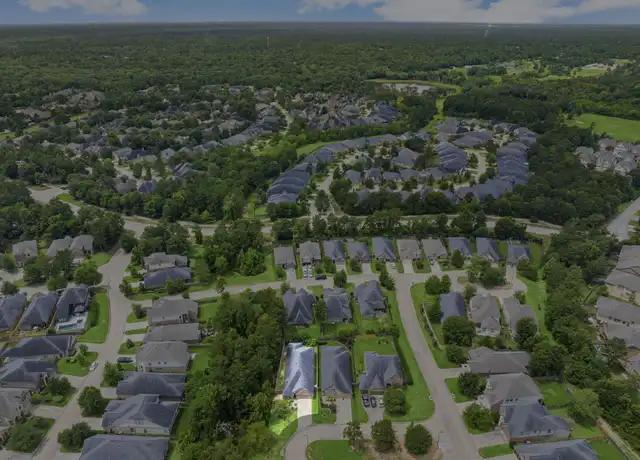
Before You Buy in Woodforest, Try Living There for Two Hours
You have six houses scheduled.
First showing at 10:00.
Second at 10:45.
Third at 11:30.
Quick lunch.
Three more houses.
By 4:00, you know exactly which kitchen you like best.
But you may know almost nothing about what living in Woodforest would actually feel like.
That's a problem.
Especially if you're relocating or moving from another part of the Houston area.
Because you aren't purchasing a floor plan in isolation.
You're purchasing a routine.
So before choosing a Woodforest home, try something different.
Stop touring houses for two hours.
And pretend you already live there.
Start at the House You're Considering
Park in the driveway.
Now forget the listing.
You're not a buyer anymore.
Pretend it's Tuesday.
You live here.
What happens next?
Where would you go?
Work?
Coffee?
Groceries?
Gym?
Dinner?
Park?
Start driving.
This simple exercise can reveal more than another three home tours.
First: Leave the Neighborhood
That sounds strange.
But do it.
How does the route feel?
How many turns?
How quickly do you reach the roads you'll use regularly?
Does the location within the community matter more than you expected?
A home can look close to the entrance on a map but feel different once you're actually driving the route.
Then Come Back
Entering matters too.
Imagine you've worked all day.
It's 6:00 p.m.
You're tired.
How does the trip from your regular route to your driveway feel?
Some buyers won't care if they're deeper inside the community.
They may actually prefer it.
Others prioritize getting in and out efficiently.
Neither is better.
But you should know before buying.
Master-Planned Communities Are Bigger Than They Look Online
A listing says:
Woodforest.
Your brain treats that as one location.
But within a large community, the exact home location can affect your daily routine.
One property may be positioned differently relative to:
Community entrances.
Parks.
Trails.
Recreation.
Shopping.
Dining.
Golf.
Other destinations.
Don't evaluate only the community name.
Evaluate the address.
Make a Grocery Run
This is one of my favorite relocation tests.
Go buy something boring.
Milk.
Paper towels.
Coffee.
Anything.
Why?
Because grocery shopping is real life.
You're going to do it far more often than you'll visit the model home.
Time the trip.
Notice the route.
Ask yourself:
Would this feel convenient on a Wednesday evening?
That's useful information.
Buy Coffee
Not because coffee determines property value.
Because the trip tells you something.
How quickly can you reach places where you'd naturally stop?
Does the route feel easy?
Do you like what's around?
Could you imagine making this trip regularly?
Small routines build your overall impression of a location.
Grab Lunch Without Planning It
Don't research the perfect restaurant first.
Pretend you're hungry and live there.
Where would you naturally go?
This is a better lifestyle test than visiting the area's most photographed destination.
Everyday convenience isn't about finding one great restaurant.
It's about having options that work when you don't feel like planning.
Now Walk
Woodforest includes community amenities and outdoor spaces that may appeal to buyers interested in an active lifestyle.
But don't buy the phrase:
“Miles of trails.”
Test your relationship to them.
From the house you're considering:
Where is convenient access?
How does the route feel?
Would you actually use it?
Community-wide amenities are only as valuable as your ability and desire to use them.
Don't Just Drive Past the Park
Get out.
Walk around.
Sit for five minutes.
What does it feel like?
Would your household use this?
Some buyers prioritize community recreation heavily.
Others discover they would rather have a bigger backyard and use community amenities occasionally.
That's exactly the kind of thing you want to learn before buying.
Amenity Lists Can Make Every Community Sound Perfect
Pool.
Park.
Trail.
Golf.
Playground.
Recreation.
Great.
But amenities aren't collectibles.
The community with the longest list isn't automatically the best fit.
Ask:
Which three would we actually use every month?
Those are the amenities that matter.
Don't Pay Emotionally for Features You Won't Use
Maybe golf isn't your thing.
Fine.
Maybe you never use a community pool because you want one at home.
Fine.
Maybe you love trails and would use them every morning.
Great.
Your lifestyle should determine which community features have real personal value.
Test the Commute From the Actual House
Not:
“Woodforest to work.”
The actual address to work.
At the time you would normally leave.
A few extra minutes inside the community plus differences in outside routes can change the overall commute.
If commuting matters, test it.
Remote Workers Should Run a Different Test
Maybe you don't commute.
Then your location priorities may be completely different.
Ask:
Where will I work?
Do I have an office?
What will I see outside the window?
How quiet does the street feel during the day?
How quickly can I leave for lunch?
Can I take a walking break?
Your daily experience happens closer to home.
Evaluate accordingly.
Visit During the Week
Saturday is useful.
So is Tuesday.
Communities have rhythms.
Weekday mornings.
Afternoons.
Evenings.
Weekends.
If you're serious about a property, seeing the area at different times can help you understand how it actually functions.
Then Visit on Saturday Morning
This is when you may see a different side of community life.
People outside.
Activities.
Walking.
Biking.
Recreation.
Yard work.
Golf.
The amount and type of activity may help you decide whether the environment fits you.
Listen to the Neighborhood
Turn off the car.
Seriously.
Windows down.
What do you hear?
Traffic?
Construction?
Lawn equipment?
People?
Birds?
Almost nothing?
Don't judge the sound.
Just notice it.
Some buyers want energy.
Others want quiet.
Look at Construction Around You
Depending on where you're considering within a developing community, there may be ongoing construction.
If nearby building is relevant to your purchase, investigate:
Where development is occurring.
What is currently known about future sections.
How long nearby activity might continue.
Available plans can change, so don't treat future development concepts as guarantees.
But understand today's surroundings.
Your New-Home Experience May Include Other New Homes Being Built
This sounds obvious.
But it's easy to forget when standing inside a finished model.
If your home is in a newer section, you may experience:
Construction vehicles.
Contractors.
Noise.
Dust.
Temporary traffic patterns.
For many buyers, that's a short-term trade-off they're perfectly comfortable making.
Others prefer an established street.
Know which you are.
Drive the Route at Night
This can be particularly useful for relocators.
The road that feels obvious in daylight may feel different after dark.
Notice:
Lighting.
Turns.
Landmarks.
Traffic.
How easily you find your street.
How the community feels.
You're not evaluating whether it's “good” or “bad.”
You're determining whether you're comfortable.
Check Your Phone
This sounds silly.
But if reliable cellular service matters to you, notice it while you're visiting the specific property.
Coverage can vary by carrier and location.
If it's important for work or everyday life, test your own device rather than assuming.
Internet Deserves More Than an Assumption Too
Especially for remote workers.
Investigate service availability for the specific property.
Don't rely solely on:
“The neighborhood has high-speed internet.”
Confirm what providers and services are actually available at the address.
Now Pretend You Forgot Something
You're home.
It's 8:00 p.m.
You need:
Medicine.
Milk.
Phone charger.
Pet food.
Whatever.
Where would you go?
How long would it take?
Again, this isn't glamorous.
But ordinary inconvenience repeated hundreds of times can matter more than an amenity you use twice a year.
Families Should Map Their Weekly Routes
If applicable to your household, write down recurring destinations.
School-related locations.
Childcare.
Sports.
Lessons.
Medical appointments.
Family.
Work.
Now draw the week around the potential home.
One house may create a noticeably easier routine than another—even within the same broader community.
Retirees Should Do the Same Thing
Your list may be:
Healthcare.
Groceries.
Restaurants.
Golf.
Friends.
Family.
Church or community activities.
Recreation.
The right location depends on your version of everyday life.
Don't Let the Model Home Become the Community
Model homes are designed to be memorable.
But after closing, you aren't living in the model.
You're living:
On your street.
On your lot.
Driving your routes.
Using your amenities.
Running your errands.
Separate the model-home experience from the community experience.
Talk About the Home Last
After your two-hour lifestyle test, return to the house.
Now ask:
Does this home fit into the life we just tested?
Maybe you loved the community but now prefer a different section.
Maybe you realized you'd happily live deeper inside because you love the setting.
Maybe you discovered commute convenience matters more than expected.
That's valuable.
Create a “Tuesday Score”
Rate the property from 1 to 10 on how easy an ordinary Tuesday would feel.
Consider:
Commute.
Groceries.
Errands.
Work.
Internet.
Getting in and out.
Daily destinations.
Now create a Saturday Score.
Consider:
Trails.
Parks.
Golf.
Pool.
Dining.
Outdoor living.
Entertainment.
If both scores are strong, you're onto something.
Don't Search for a Vacation Feeling Unless You're Buying a Vacation Home
Beautiful landscaping.
Pool.
Golf.
Sunshine.
Model home.
It can all create a resort feeling during the visit.
But your actual life still includes:
Laundry.
Work.
Traffic.
Groceries.
Packages.
Appointments.
Home maintenance.
Choose a community that handles ordinary life well.
Then enjoy the amenities on top of it.
The Best Location May Not Be the House You Initially Preferred
You might begin with:
House A is definitely our favorite.
Then test the routine.
House B saves time.
Has easier access to something you use constantly.
Is closer to your favorite amenity.
Has a street setting you prefer.
Suddenly, House B becomes more interesting.
That's why lifestyle testing matters.
Final Thoughts
You can learn a lot about a Woodforest house in thirty minutes.
Bedrooms.
Kitchen.
Garage.
Backyard.
Storage.
Condition.
But understanding how it feels to live in Woodforest takes a little longer.
So before spending your entire house-hunting day opening front doors, spend two hours living there.
Drive out.
Drive back.
Buy groceries.
Get coffee.
Walk.
Visit a park.
Test your commute.
Run an errand.
Sit somewhere for a few minutes.
Then return to the house.
Because you're not just choosing:
Four bedrooms.
Three bathrooms.
A game room.
A backyard.
You're choosing the route to the grocery store.
The evening walk.
The Saturday morning.
The Tuesday commute.
The five-minute errand.
The ordinary parts of life that never appear in listing photos.
And if those ordinary parts feel right?
That's when a Woodforest house starts looking much more like home.
Frequently Asked Questions
Should I visit Woodforest before buying if I'm relocating?
If practical, spending time experiencing the community beyond scheduled home showings can help you understand routes, amenities, everyday convenience, and which locations fit your routine.
Are all Woodforest locations equally convenient?
No. A property's position within a large community can affect its relationship to entrances, amenities, shopping, recreation, and your outside destinations.
Should I test my commute from a specific home?
If commute time is important to your purchase, testing the route from the actual property during realistic travel times can provide useful context.
Are community amenities equally valuable to every buyer?
No. Their value depends heavily on whether your household will actually use them.
Should remote workers evaluate Woodforest differently?
Potentially. Office space, internet availability, daytime environment, nearby walking opportunities, and quick access to everyday destinations may become more important than a traditional commute.
What's the biggest takeaway?
Don't decide whether Woodforest fits you based only on the homes. Spend time testing the ordinary routine you would actually live there. If Tuesday works as well as Saturday, you've learned something a listing page can't tell you.