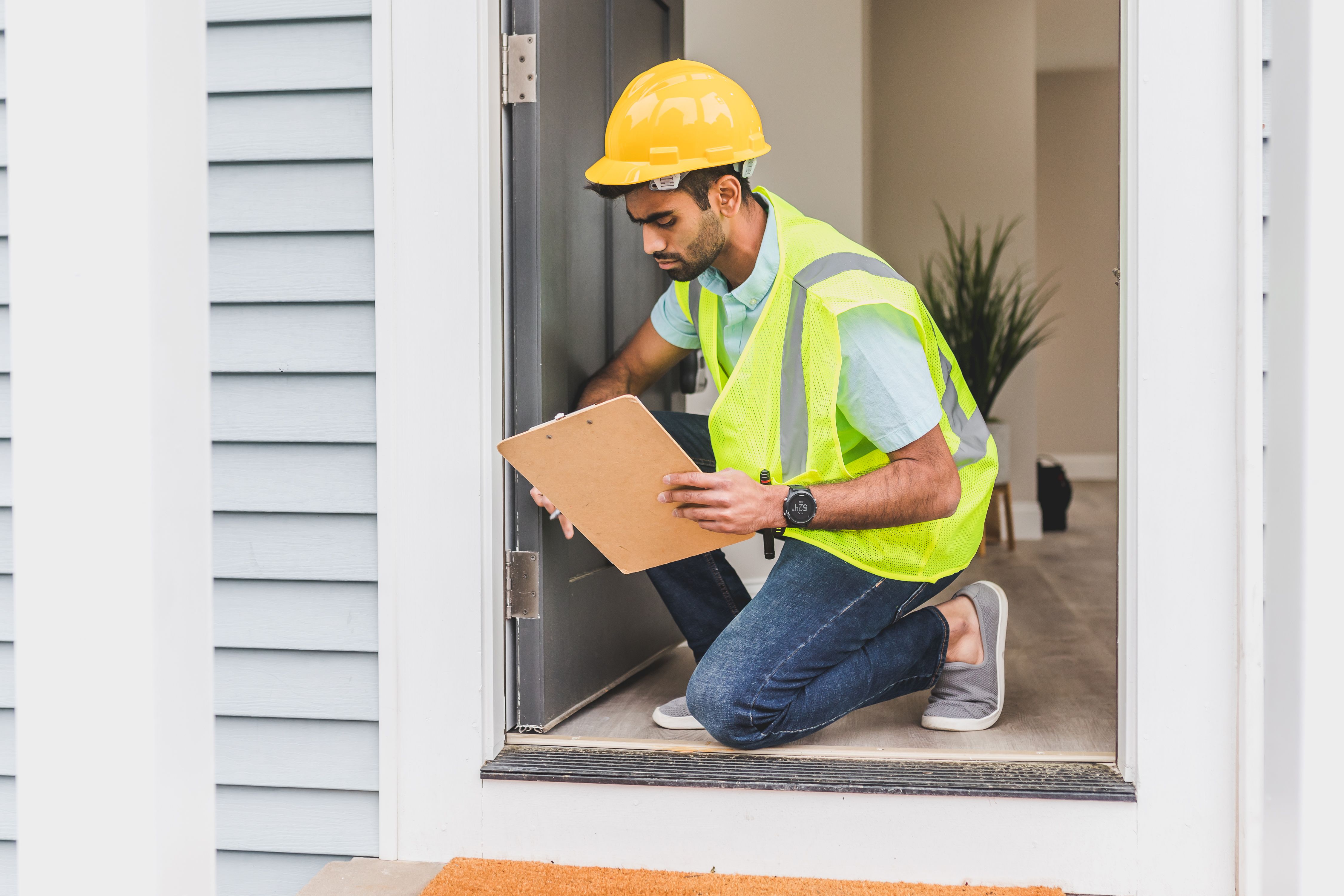
What Happens During a Home Inspection? Complete Buyer's Guide for 2026
For many home buyers, the home inspection is one of the most important steps in the entire purchasing process.
It's also one of the most misunderstood.
Some buyers assume the inspection is simply a formality. Others fear it will reveal major problems that could derail the transaction. The reality is that a home inspection is designed to provide valuable information so buyers can make informed decisions before closing.
Whether you're purchasing a home in The Woodlands, Montgomery, Lake Conroe, Spring, Cypress, or elsewhere in the Houston Metro area, understanding the inspection process can help reduce stress and prevent surprises.
What Is a Home Inspection?
A home inspection is a professional evaluation of a property's visible and accessible systems and components.
The purpose is to identify potential issues, maintenance concerns, safety hazards, and defects that may affect the property's value or condition.
A home inspection is not a pass-or-fail test.
Instead, it provides buyers with a clearer understanding of the home's current condition.
When Does the Inspection Take Place?
The inspection typically occurs after the seller accepts an offer but before closing.
This timing allows buyers to:
Evaluate the property's condition
Review findings
Request repairs when appropriate
Negotiate credits or concessions
Decide whether to move forward
The inspection period is one of the buyer's most important opportunities to learn about the home before becoming the owner.
Who Hires the Inspector?
In most transactions, the buyer hires the home inspector.
While your real estate agent may recommend reputable inspectors, the final selection is typically the buyer's decision.
Buyers should choose licensed, experienced professionals who are familiar with local construction practices and regional issues common in the Houston area.
How Long Does a Home Inspection Take?
The length of the inspection depends on factors such as:
Home size
Property age
Number of systems evaluated
Accessibility
Most inspections take between two and four hours.
Larger homes, luxury properties, and older homes may require additional time.
Should Buyers Attend the Inspection?
Yes.
While not always required, attending the inspection is highly recommended.
Being present allows buyers to:
Ask questions
Learn about maintenance requirements
See issues firsthand
Better understand the inspector's findings
Many buyers find the inspection to be an educational experience that helps them become more confident homeowners.
What Does a Home Inspector Look At?
Inspectors evaluate many of the home's major systems and components.
Roof
The roof is one of the most important and expensive components of a home.
Inspectors typically examine:
Roofing materials
Flashing
Drainage systems
Visible damage
Signs of leaks
Foundation
Foundation performance is especially important in Texas due to soil movement and weather conditions.
Inspectors look for:
Cracks
Settlement concerns
Structural movement
Drainage issues
Electrical System
The electrical system is reviewed for safety and functionality.
Inspectors may evaluate:
Panels
Wiring
Outlets
Grounding
Visible defects
Plumbing System
The inspection may include:
Water supply lines
Fixtures
Drains
Water heaters
Visible leaks
HVAC System
Heating and cooling systems are tested to verify proper operation.
Inspectors often evaluate:
Air conditioning performance
Heating operation
Ductwork
Ventilation
Windows and Doors
Inspectors check:
Operation
Seals
Damage
Safety concerns
Attic
The attic can reveal important information about the home's condition.
Inspectors may look for:
Insulation levels
Ventilation
Water intrusion
Structural concerns
Exterior Components
The inspection often includes:
Siding
Driveways
Walkways
Decks
Drainage
Grading
What Home Inspectors Do Not Inspect
Many buyers assume inspectors evaluate everything.
However, most standard inspections have limitations.
Items that may require specialized inspections include:
Pools
Septic systems
Wells
Mold testing
Structural engineering evaluations
Environmental testing
Additional inspections may be recommended depending on the property.
Common Problems Found During Inspections
It's important to understand that almost every inspection uncovers issues.
Even newer homes often generate lengthy reports.
Common findings include:
Minor Maintenance Items
Loose fixtures
Missing caulk
Damaged weather stripping
Small leaks
Electrical Concerns
GFCI issues
Missing covers
Wiring deficiencies
HVAC Maintenance Needs
Dirty filters
Service recommendations
Aging equipment
Roof Repairs
Damaged shingles
Flashing concerns
Drainage issues
Drainage Problems
Poor drainage can contribute to foundation and moisture concerns.
What Happens After the Inspection?
Once the inspection is complete, the buyer receives a detailed written report.
The report may include:
Photographs
Safety concerns
Maintenance recommendations
Repair suggestions
System evaluations
The report serves as a valuable resource both during negotiations and after closing.
Can Buyers Ask for Repairs?
In many situations, yes.
Depending on the findings and contract terms, buyers may:
Request repairs
Request credits
Request concessions
Renegotiate terms
Not every issue results in negotiations.
The significance of the concern often influences the next steps.
Should Buyers Be Concerned About a Long Inspection Report?
Not necessarily.
Many inspection reports contain dozens—or even hundreds—of observations.
That does not mean the home is in poor condition.
A large report often reflects the inspector's thoroughness rather than the severity of the issues.
The key is understanding which items are:
Safety concerns
Major defects
Routine maintenance
Future improvements
New Construction Homes Need Inspections Too
One common misconception is that new construction homes do not require inspections.
Even newly built homes can have:
Incomplete work
Installation issues
Code concerns
Cosmetic defects
Many buyers choose to have independent inspections performed on new construction properties as an additional layer of protection.
What Happens if Major Problems Are Found?
If significant issues are discovered, buyers typically have options depending on the contract and timing.
Potential outcomes may include:
Seller repairs
Financial concessions
Contract renegotiation
Additional evaluations
Termination of the contract
Your real estate professional can help you understand available options based on the specific situation.
Common Buyer Mistakes During Inspections
Focusing on Cosmetic Issues
Minor cosmetic concerns are usually less important than structural or mechanical issues.
Panicking Over Every Finding
Most homes have defects and maintenance items.
Skipping the Inspection
Forgoing an inspection may expose buyers to unnecessary risk.
Ignoring Future Maintenance Costs
The report can help buyers plan future repairs and budgeting needs.
Why Home Inspections Matter
A home purchase is one of the largest financial decisions most people will make.
The inspection provides critical information that helps buyers:
Understand the property's condition
Plan future maintenance
Identify safety concerns
Negotiate repairs when appropriate
Make informed decisions
The goal isn't to find a perfect house. The goal is to fully understand the home you're purchasing.
Final Thoughts
The home inspection process is one of the most valuable protections available to buyers.
Rather than viewing inspections as obstacles, buyers should see them as opportunities to learn about the property and make confident decisions before closing.
Whether you're purchasing a starter home, luxury property, waterfront home on Lake Conroe, or family home in The Woodlands, a thorough inspection can provide peace of mind and help ensure there are no unexpected surprises after move-in day.
Understanding what to expect before the inspection begins can make the entire process smoother, less stressful, and more productive.