Your Home Isn’t in Bad Condition. It Just Looks Dated. Should You Renovate?
Your Woodlands Home Is Well Maintained but Dated—Should You Renovate Before Selling?
You walk through your house before listing.
Everything works.
The home has been maintained.
The roof may be newer.
HVAC is serviced.
The house is clean.
But then you look around.
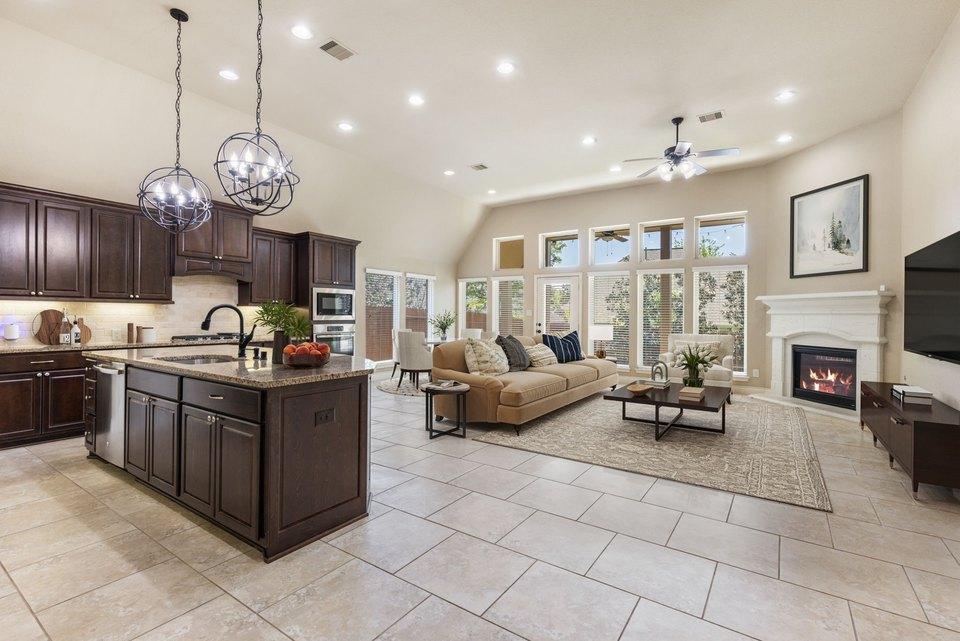
Brown cabinets.
Granite from another era.
Older tile.
Traditional light fixtures.
Maybe beige walls.
And suddenly you start thinking:
“Do we need to renovate everything before we sell?”
This is where sellers can spend a tremendous amount of money unnecessarily.
A dated home and a poorly maintained home are not the same thing.
Buyers often recognize the difference.
The goal before selling is not automatically to turn an established Woodlands home into new construction.
The goal is to determine which improvements will materially improve buyer response—and which projects should be left for the next owner.
First, Separate “Dated” From “Damaged”
This distinction changes everything.
Dated:
Older cabinet color.
Traditional granite.
Older light fixture.
Existing bathroom tile.
Damaged:
Broken cabinet.
Cracked countertop.
Leaking plumbing.
Stained carpet.
Peeling paint.
Loose tile.
Prioritize actual condition problems first.
Maintenance Usually Comes Before Cosmetics
If your budget is limited and you are choosing between:
New pendant lights.
or
Repairing an active leak.
Fix the leak.
Buyers can change style.
They become much more concerned about deferred maintenance.
Do Not Renovate Based on One Friend’s Opinion
Someone walks into your kitchen and says:
“You need to paint all these cabinets white.”
Maybe.
Maybe not.
Before spending thousands of dollars, compare your property with:
Current competing listings.
Recent sales.
Buyer expectations in your price range.
Your actual kitchen condition.
Start With Cleaning
It sounds too simple.
It is not.
Older finishes look significantly worse when combined with:
Grease.
Dust.
Dirty grout.
Cloudy glass.
Stained carpet.
Hard-water buildup.
A professionally cleaned older bathroom can present much better than a poorly maintained newer one.
Decluttering Can Make an Older Home Feel More Current
Heavy furniture.
Too many accessories.
Crowded countertops.
Large collections.
can make the entire home feel more dated.
Remove enough belongings to reveal:
Floor space.
Counter space.
Windows.
Architectural details.
Paint Is Often the First Cosmetic Improvement to Consider
Fresh paint can make an established home feel:
Cleaner.
Brighter.
Better maintained.
More cohesive.
You may not need to paint every room.
Focus on:
Heavily scuffed walls.
Strong personalized colors.
Dark spaces.
Poorly patched areas.
Do Not Automatically Paint Every Cabinet
Cabinet painting can transform a kitchen.
It can also look terrible when done poorly.
Before committing, consider:
Cabinet quality.
Wood condition.
Current style.
Home price.
Cost.
Professional workmanship.
Quality wood cabinetry may be preferable to a rushed paint job.
Hardware Can Be a Lower-Cost Refresh
Sometimes replacing dated:
Cabinet pulls.
Knobs.
Door hardware.
can make a space feel more current without replacing cabinetry.
Keep the style consistent.
Lighting Can Date a Home Quickly
Look at:
Entry fixture.
Dining chandelier.
Kitchen pendants.
Bathroom vanity lights.
Replacing a few highly visible outdated fixtures may have more impact than changing every fixture in the house.
Do Not Create a Mix of Five Different Styles
Modern kitchen pendants.
Farmhouse dining fixture.
Traditional entry chandelier.
Industrial bathroom lights.
Now the house feels less cohesive.
Choose updates that work with the existing architecture.
Flooring Requires a Bigger Decision
Worn or damaged flooring can become a real objection.
Flooring that is simply not today's trend is different.
Ask:
Is it damaged?
Is it heavily stained?
Does it interrupt the flow?
Does competing inventory offer noticeably stronger flooring?
Then decide.
Carpet Condition Matters More Than Carpet Age Alone
Buyers notice:
Stains.
Odor.
Wear paths.
Loose seams.
If carpet is visibly worn, replacement may improve presentation.
If it is clean and neutral, replacement may not be necessary solely because it is several years old.
Do Not Install the Cheapest Flooring Just to Say “New”
Buyers can often tell.
A rushed whole-house flooring replacement may not create the return you expect.
Kitchens Get the Most Renovation Pressure
Seller thinks:
Cabinets.
Counters.
Backsplash.
Appliances.
Sink.
Flooring.
Suddenly the pre-listing project becomes a full remodel.
Before doing that, determine whether buyers are likely to pay enough more to justify:
Cost.
Time.
Construction risk.
Sometimes the Better Strategy Is Pricing
Imagine:
Renovation costs $60,000.
Takes three months.
And buyers may only value the result at a fraction of that cost.
It may make more sense to:
Clean.
Repair.
Stage.
Price accordingly.
Let the buyer renovate later.
But Do Not Use “Priced for Updates” Casually
If you say:
“Priced to allow buyers to update,”
make sure the price actually reflects the home's current condition relative to competition.
Buyers will compare.
Bathrooms Often Benefit From Smaller Improvements
Before gutting the room, consider:
Fresh caulk.
Clean grout.
New mirror.
Updated light.
Fresh paint.
New hardware.
These may improve presentation substantially.
Replace Failed Caulk
Old:
Cracked.
Mold-stained.
Missing.
caulk makes buyers wonder about water intrusion.
This is maintenance—not decorating.
Do Not Cover Problems With Cosmetic Work
Fresh paint over:
Water stains.
Wood damage.
Moisture issues.
does not solve the underlying problem.
Identify the cause first.
Appliances Need a Practical Review
Older but functioning appliances may be acceptable depending on:
Price point.
Condition.
Competition.
A mismatched collection of damaged appliances may make the kitchen feel more dated.
Do not automatically buy luxury appliances unless the market supports the investment.
Buyers Care About Major Systems Too
A dated kitchen combined with:
Newer roof.
Updated HVAC.
New water heater.
may create a very different ownership picture than a cosmetically updated home with aging major systems.
Organize your maintenance records.
Create a Home Improvement Timeline
For example:
2020 — roof.
2022 — HVAC.
2023 — water heater.
2024 — exterior paint.
2025 — pool equipment.
Use your actual history.
This helps buyers see where money has already been invested.
Do Not Call Maintenance an “Upgrade”
Replacing a failed water heater is important.
But marketing everything as:
“Luxury upgrades!”
can reduce credibility.
Be specific.
Staging Matters More in a Dated Home
Good staging can bridge the visual gap between:
Traditional finishes.
Today's buyer expectations.
Use:
Simple furniture.
Neutral bedding.
Minimal accessories.
Fresh towels.
Natural textures.
The goal is not to hide the home's age.
It is to make the existing finishes feel intentional.
Remove Décor That Dates the Property Further
Heavy window treatments.
Artificial floral arrangements.
Oversized furniture.
Too many decorative signs.
can make older finishes feel even older.
Simplify.
Let Natural Light Work
Open:
Blinds.
Shutters.
Curtains.
Clean windows.
A bright established home often presents much better than a dark one regardless of finish age.
Mature Trees Can Make Rooms Darker
The Woodlands tree canopy is beautiful.
But heavy shade combined with dark interiors can make rooms photograph poorly.
Use:
Lighting.
Window cleaning.
Strategic landscape trimming.
to improve brightness without sacrificing the wooded setting.
Professional Photography Is Especially Important
The photographer should accurately capture:
Room size.
Natural light.
Architecture.
Wooded views.
Avoid excessive filters that dramatically alter finish colors.
Buyers should recognize the home when they arrive.
Do Not Digitally Change the Kitchen
Virtual removal of clutter may be appropriate in some marketing contexts when clearly handled, but digitally changing:
Cabinet colors.
Counters.
Flooring.
can create false expectations if presented as the actual home.
Show the real condition.
Pre-Listing Inspection Can Be Considered Strategically
For some established homes, a seller may consider professional evaluations before listing to identify:
Deferred maintenance.
Electrical concerns.
Plumbing issues.
Roof concerns.
HVAC issues.
Whether this makes sense depends on the property and selling strategy.
Do Not Renovate Because You Fear the Inspection
Cosmetic remodeling does not eliminate:
Mechanical.
Structural.
Electrical.
Plumbing.
concerns.
Maintenance and renovation are different categories.
Buyer Credits Can Sometimes Be More Flexible
Rather than choosing a finish the buyer hates, a negotiated seller concession may sometimes be useful.
But concessions depend on:
Contract terms.
Financing.
Appraisal.
Lender rules.
Net proceeds.
Discuss the specific strategy with appropriate professionals.
Do Not Advertise a Credit Before Understanding the Rules
Different financing programs may limit or treat concessions differently.
Know the transaction before promising a specific structure.
Compare Yourself With the Right Homes
A beautifully renovated Woodlands home may sell for more.
That does not mean you must renovate yours to compete.
Your home may occupy a different position:
Lower price.
Better lot.
Larger square footage.
Pool.
Better location.
Newer major systems.
Renovated Comparables Can Show the Ceiling
They may tell you what buyers pay for:
Updated condition.
Then compare:
Renovation cost.
Potential price difference.
Time.
Risk.
That helps determine whether renovating makes sense.
Unrenovated Comparables May Be Even More Useful
They show what buyers currently pay for homes more similar to yours.
That is valuable pricing evidence.
Do Not Assume Every Buyer Wants the Same Style
One seller spends heavily creating:
White kitchen.
Gold fixtures.
Light flooring.
The buyer walks in and plans to replace all of it.
Taste is personal.
Major renovations immediately before selling carry design risk.
Focus on Broad Buyer Appeal
Usually safer:
Clean.
Functional.
Bright.
Maintained.
Neutral where reasonable.
Let permanent property advantages do more of the work.
Use the “Broken or Dated?” Test
Broken?
Fix it.
Dated?
Evaluate strategically.
Use the “Will Buyers Pay Us Back?” Test
Not dollar for dollar necessarily.
Ask whether the project is likely to improve:
Marketability.
Price.
Time on market.
enough to justify the investment.
Use the “Would We Choose This Finish for Ourselves?” Test
If yes, be careful.
You are renovating for the market—not yourself.
Use the “What Can’t Buyers Change?” Test
Lot.
Location.
Trees.
View.
Floor plan.
Emphasize those features too.
The Woodlands Pre-Sale Renovation Scorecard
Before spending heavily, evaluate:
Maintenance
Any active problems?
Paint
Clean and cohesive?
Flooring
Dated or actually damaged?
Kitchen
Functional and well maintained?
Cabinets
Quality worth preserving?
Bathrooms
Need renovation or just refreshing?
Lighting
High-impact outdated fixtures?
Cleaning
Professional-level?
Decluttering
Enough removed?
Staging
Existing finishes presented well?
Major Systems
Replacement dates documented?
Competition
How updated are current alternatives?
Comparables
Renovated and unrenovated sales reviewed?
Renovation Cost
Realistic contractor estimates?
Timeline
Will work delay the sale?
Expected Return
Does market evidence support the project?
Final Thoughts
A dated Woodlands home is not automatically a renovation project.
Sometimes the smartest pre-sale strategy is:
Fresh paint.
Deep cleaning.
Minor repairs.
Better lighting.
Updated hardware.
Professional staging.
Strong photography.
Realistic pricing.
And documentation showing that the important systems have been maintained.
Other times, a targeted renovation may genuinely improve the property's market position.
The key is making that decision before spending emotionally.
Do not remodel because:
A neighbor did.
A friend said buyers hate your cabinets.
A television show made the kitchen look old.
Look at the actual market.
What are buyers choosing?
What are renovated homes selling for?
What are well-maintained but dated homes selling for?
How much would your project cost?
How long would it take?
And what permanent advantages does your property already have?
Because the goal is not to create the newest home in The Woodlands.
The goal is to make buyers think:
“Yes, we may update a few things eventually—but this house has been cared for, the important pieces are in good condition, and we can comfortably live here from day one.”
That can be a very strong selling position.
Frequently Asked Questions
Should I renovate my Woodlands kitchen before selling?
Not automatically. Compare renovation cost, current kitchen condition, buyer expectations, competing listings, likely resale impact, and timing before committing to a full remodel.
Is painting before listing usually worthwhile?
Fresh paint can improve cleanliness, brightness, and presentation, particularly when walls are heavily scuffed or strongly personalized. The best decision depends on the home's condition.
Should I paint wood cabinets white?
Only after considering cabinet quality, current buyer expectations, cost, workmanship, and the overall style of the home. Poor cabinet painting can reduce appeal.
Should I replace dated but clean flooring?
Not necessarily. Condition, competing homes, price point, and expected return should guide the decision.
Is it better to offer buyers a renovation credit?
Sometimes a negotiated concession may provide flexibility, but financing and contract rules can affect how concessions work. Evaluate the specific transaction.
Should I replace older appliances?
Not automatically. Consider functionality, appearance, consistency, home price, and competing inventory.
How can I make a dated home look better without renovating?
Deep cleaning, decluttering, paint, lighting, minor repairs, simplified décor, staging, window cleaning, and professional photography can make a significant difference.
Will buyers care about newer HVAC and roofing if the kitchen is dated?
Many buyers evaluate both cosmetics and major ownership expenses. Clearly documenting major system replacements can help them understand the complete condition of the property.
Should I renovate specifically to match new construction?
Usually not without careful market analysis. An established Woodlands home may compete using lot, location, trees, pool, square footage, maintenance, and price rather than identical finishes.
What's the biggest takeaway?
Before renovating a dated Woodlands home for sale, separate condition problems from style preferences. Repair what is broken, improve presentation, study the competition, and spend heavily only when the market evidence suggests the renovation is likely to strengthen your selling position.